
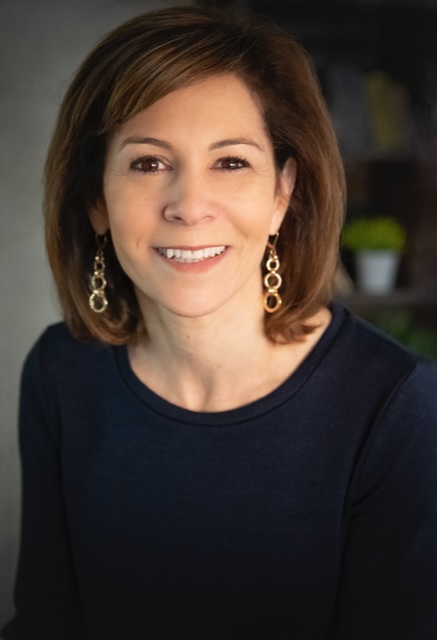
Have you ever felt like you need a “permission slip” to try a different creative path, even when you’re already “successful” in another? In this episode, I’m talking with award-winning screenwriter Leslie A. Rasmussen, who spent years in the high-pressure world of comedy writing for iconic television shows like Roseanne, The Drew Carey Show, and Sweet Valley High before pivoting to her true passion: writing novels.
If you are an exhausted perfectionist who feels “stuck” in a specific professional lane or fears that your creative spark has a “deadline,” Leslie’s journey from the TV writer’s room to the “Wild West” of fiction will show you how to reclaim your own narrative. Most creative advice tells you to “pick a lane” and stay there or to follow a rigid corporate productivity system. But on this podcast, we believe in messy, joyful creativity for people who are tired of the pressure to perform. We focus on the life force of your work—not just the output.
Episode breakdown:
0:00 Transitioning from TV scripts to fiction
4:15 Growing up creative in Los Angeles
8:30 Breaking into Hollywood as an assistant
12:45 Challenges for women in comedy writing
17:20 The role of mentorship and networking
21:50 Working on ALF and Carol and Company
26:10 How actors help writers find their voice
31:45 The difference between sitcoms and animation
36:30 Outlining vs writing by the seat of your pants
41:15 Working with developmental editors
46:50 The reality of the TV writers room at 2 AM
51:20 From a nutrition business back to storytelling
56:45 The vulnerability of professional book reviews
59:10 Writing about family secrets and sisters
1:00:58 Final advice and closing thoughts
Show Links: Leslie A. Rasmussen
Lesl’s website
Subscribe!
You can subscribe to Follow Your Curiosity via the handy links at the top of the page for Apple Podcasts, Spotify, iHeart Radio, TuneIn, and YouTube. If you enjoyed the episode, don’t forget to tell your friends!

Transcript: Leslie Rasmussen
Please note: This is an unedited transcript, provided as a courtesy, and reflects the actual conversation as closely as possible. Please forgive any typographical or grammatical errors.
Nancy Norbeck [00:00:06]:
Welcome to Follow Your Curiosity. Ordinary people, extraordinary creativity. Here’s how to get unstuck. I’m your host, creativity coach, Nancy Norbeck. Let’s go. Leslie A. Rasmussen was born and raised in Los Angeles and graduated from UCLA. She wrote television comedies for Gerald MacRaney, Burt Reynolds, Roseanne Barr, Norm Macdonald, Drew Carey, The Wild Thornberrys, and Sweet Valley High. Her first two novels, after happily ever after and the stories we cannot tell have won multiple awards. Leslie released her third novel, When People Leave, in May 2025.
Nancy Norbeck [00:00:45]:
Leslie talks with me about how she got her start working in television, how writing TV comedy differs from writing drama, and from writing novels, outlining versus writing by the seat of your pants, the challenge of structuring when people leave, and more. Here’s my conversation with Leslie Rasmussen. Leslie, welcome to Follow Your Curiosity.
Leslie A. Rasmussen [00:01:06]:
Thank you for having me.
Nancy Norbeck [00:01:08]:
I start everybody with the same question. Were you a creative kid or did you discover your creative side later on?
Leslie A. Rasmussen [00:01:14]:
I was pretty creative. I I love to make movies. My dad would film them all, and my sisters and my friends were in them, and we were those obnoxious kids that put plays on and all that stuff. I didn’t write so much. I mostly what I wrote were letters back and forth. But as far as creativity, I wanted to be an actress at the time, so I did that kind of thing. That’s what we did. We wrote stupid plays and then acted in them.
Leslie A. Rasmussen [00:01:41]:
So in that sense, I think I was creative, but I didn’t go to school to be a writer, and I didn’t really even think about that part of it. And my whole family is very creative in lots of different ways, but I’m really mostly creative in the writing way. That’s how I see it.
Nancy Norbeck [00:02:01]:
It’s it’s interesting because I was one of those kids who put on shows and all that kind of stuff on Sunday afternoon. Mom and dad, grandma and grandpa, come
Leslie A. Rasmussen [00:02:08]:
down and see the show.
Nancy Norbeck [00:02:09]:
And I’m sure they thought, oh, God, another one.
Leslie A. Rasmussen [00:02:11]:
Oh, I know. And we would go and we would go to the the it was like a liquor store, but we bought candy and then we’d double the price and we’d sell it to our neighborhood kids. So we were kind of, like, always doing things like that to make extra money. If they wanted to come to the little play, they had to pay and buy candy.
Nancy Norbeck [00:02:29]:
It’s very, very enterprising of you. Yeah. I think it’s interesting though that you were making movies too. Is that is that more like an LA thing since you grew up in LA or is that just quirky to your family, do you think?
Leslie A. Rasmussen [00:02:43]:
I don’t know. I did grow up in LA, but I was not surrounded by the entertainment business at the time and my parents weren’t in it. My dad did have a video camera because he liked to video things. So I guess it was part of that and part my dad. And my dad did, he was in advertising. So he would have us voice voice over sometimes. So in that sense, it was like, you know, the business, but it really wasn’t. So I think it was just something we thought was fun to do.
Nancy Norbeck [00:03:11]:
That’s cool, though. That’s cool. It’s a a more modern take on the standard. We’re just gonna make stuff up in grandma’s basement and hope somebody comes to see it. Exactly. Yeah. So when did you realize that, you know, writing might be a thing for you?
Leslie A. Rasmussen [00:03:31]:
I was actually working, on Hill Street Blues. I was an assistant to the executive producers, and I thought I wanted to be a producer. At the time, there were not a lot of women in comedy, and there were not a lot of women producers, but I thought, you know, I’m gonna learn everything. I went to editing sessions. My boss let me go to at the time, they did live music so we could go down and listen to the scoring of the music. I I went to some sitcom places where they did the laughs. I did everything because I wanted to learn about everything. At the time, I was at, what was MTM Productions, which was Mary Tyler Moore.
Leslie A. Rasmussen [00:04:10]:
And I knew a lot of people there because I’d interned there for a while in in college. So I, started hanging out on different sets and just watching to see what they were doing. And the stuff I liked the most was comedy. And I still thought I was gonna be a producer, but then I started to, you know, hang out with some of the comedy writers. And I thought, well, that kinda looks like more fun than just being a producer where you have so much responsibility for everything and everybody comes to you and it’s high stress, not that writing isn’t, but I just thought it looked like fun. So I spent my days at my job when I didn’t have anything to do, just writing scripts. And that’s kind of like how I got started in writing.
Nancy Norbeck [00:04:53]:
That’s so fascinating. You mentioned that you were an intern, but how how did you end up on that track in the first place?
Leslie A. Rasmussen [00:05:00]:
Well, during college, I was a communications major, and we had to do internships. I was at UCLA, and they had this big book where you go through it and look for whatever you wanted to do. And so I did three internships my senior year. The first one was what was Lorimar productions. I don’t even know what it who bought it or anything, but I worked there for a a film producer who had me reading scripts to decide if I thought that they should go forward. And I found some of I mean, I was 20, you know, 19 and 20, and he would not even read the scripts. I would read the scripts, which happens a lot in Hollywood. And there were people that I would say, oh, this is awful.
Leslie A. Rasmussen [00:05:42]:
And later on, I kept some of that, stuff I wrote. And later on, I looked and some of those people were kinda famous, so it was really interesting. But that first script wasn’t very good, so I have to say. And then, the next job I had was at a place called Newsscope, which was like a news magazine. And they had me doing research, but I started writing stories, and so my stories were ending up on the air. And then my last one was at MGM productions. And I was an intern, so I got to do everything, and I got to work all over. And after that, I graduated, and they offered me a job to be like a temp and run around, you know, to everybody.
Leslie A. Rasmussen [00:06:23]:
And I worked for Arthur Price, who was the president of MTM at the time, and he was Mary Tyler Moore and Bob Newhart’s manager. So the people that called on the phone all the time was, like, wild. So I worked for him a lot, and then I worked for other executives. And after that, they said they had a job on Hill Street Blues and as an assistant. So I took that because it was full time. I knew I’d have a job, and I did that for a while. And then since I wanted to get into comedy, I moved on to do two comedies. I did the, I did ALF as an assistant Wow.
Leslie A. Rasmussen [00:07:01]:
Which was really fun. And then I did what was the second Carol Burnett show, which was called Carol and Company, which I didn’t love doing. But, and then during that time, I sold my first script, so I just quit and went off to write. So that’s kind of how my Wow. Background.
Nancy Norbeck [00:07:19]:
That’s so interesting. I mean, when you said, hey. I wanna try this writing thing. Did anybody say, are you crazy? That’s hard to get into. That’s you’re better off here. Anything like that? Or were they like, absolutely go for it?
Leslie A. Rasmussen [00:07:34]:
My family was super supportive, so everybody was like, go for it. We at the time, it was very sexist, and there was, like, one woman in the room. The token woman was in the room, and they had oh, I heard over and over again, women who are funny are not attractive, and women who are attractive are not funny. I mean, that was kind of the way it was, and agents didn’t wanna take you on. But there was a woman that took me under her wing, and I just loved her writing and she really loved mine. So she helped me get my first agent and my first writing job. So it but nobody discouraged me. I mean, now I think the business has changed so much.
Leslie A. Rasmussen [00:08:16]:
I think my son, actually, my oldest son wants to be a writer, and he’s written a couple of scripts that have been produced. But, you know, he’s in that place where he’s younger and he just finally got a manager, so we’ll see what happens, but it’s a different business. People didn’t come from all over the world at the time when I did it.
Nancy Norbeck [00:08:37]:
It it does show the, the power and even the necessity of having allies though.
Leslie A. Rasmussen [00:08:43]:
Oh, yeah.
Nancy Norbeck [00:08:44]:
You know?
Leslie A. Rasmussen [00:08:45]:
Women helping women. I mean, later on, women because there weren’t as many women during a certain time, they became very competitive when you were in the room. You know? They didn’t want your jokes to get in, so it became and the men weren’t like that, but the women would tear you down. But at the very beginning, I was really helped by women.
Nancy Norbeck [00:09:04]:
Yeah. That’s that’s an interesting dynamic too and a very unfortunate one. But but I’m glad that it worked out for you so relatively easily from the sound of it. I mean, that’s that’s great, and I think it’s a good reminder that we still need to find the people who need our help regardless of industry, gender, whatever, and help them get where they need to go, especially in this age where entry level writing jobs are drying up because people just wanna get AI to do it. So they need somebody to help them gain the experience that will get them somewhere because without that, where are they gonna go?
Leslie A. Rasmussen [00:09:45]:
And networks are cutting so much money. Everybody’s talking about money. So the people it’s crazy, but the people they cut are the newer people, the younger people who are learning. So who’s gonna take over? Because they wanna keep the upper level people who are gonna retire and move on. And these younger people need to learn by being there, you know, how to run a show so they can move up into that.
Nancy Norbeck [00:10:08]:
Yeah. I think a lot of places haven’t figured out yet that they’re gonna have a real problem finding experienced talent if they don’t actively nurture it instead of stifling it, which I don’t think they realize they’re doing. But one of these days, they will.
Leslie A. Rasmussen [00:10:23]:
Exactly.
Nancy Norbeck [00:10:25]:
So how how did you find the experience of of working as a TV writer? I mean, I know you mentioned that Carol Burnett was not your favorite show to be on, but, I mean, did you have much interaction with her, or were you kind of separated out? How how does that work?
Leslie A. Rasmussen [00:10:45]:
It really depends on the show. When I worked on ALF, we had a ton of interaction with everybody. On Carol the Carol Burnett Show, we did not. They kinda sep separated, and so we didn’t really go down to the set. We didn’t have the same experience, which is why I didn’t love it because I love being on the set. I love being around and hearing the notes from the network, and we weren’t allowed to do any of that. So that wasn’t great. Like, when I was working at Hill Street Blues, we could go on any set anywhere and just stand there and nobody would say, like, why are you here? They would welcome you.
Leslie A. Rasmussen [00:11:20]:
So it was a different experience for me, which I didn’t love, but at least I left. You know, when I wrote the script, I just said, I’m done. Goodbye.
Nancy Norbeck [00:11:28]:
So I was Yeah. You would think that they would want the writers there to see how things Well,
Leslie A. Rasmussen [00:11:33]:
I wasn’t a writer. And oh. No. The writers were there. I wasn’t a writer on either one of those shows. That was before I made it as a writer. I was just an assistant. So they wouldn’t but in the past, they let assistants do everything and be there for rehearsals and everything and all the other shows that I worked on.
Leslie A. Rasmussen [00:11:49]:
This was the only show that it did not.
Nancy Norbeck [00:11:52]:
Okay. Okay. That makes more sense. Though still, in terms of gaining experience, you’d think they would still want you there. But Yeah. Yeah. But how how was the experience? I mean, once once you finally were writing, how how did that go? Was it everything you expected? Were there surprising advantages and unsure disadvantages? I mean, what what was it like?
Leslie A. Rasmussen [00:12:17]:
I loved every single minute of it. I it’s it was fun because it was like you’re getting together with people that you really like, and you’re just making them laugh, and they’re making you laugh. And, I mean, it was a blast. And I I have always been even though I lived in Los Angeles, I’ve always been somebody who’s been, like, thought that, you know, movie studios were glamorous. And so every single time I’ve ever walked onto a studio lot, I’ve been just like overwhelmed. I just love being there. So it was sort of my dream job and it pays really well, which was really nice because an author doesn’t pay well. So, you know, books don’t pay well.
Leslie A. Rasmussen [00:12:59]:
But it was it was just, I can’t even say enough. I just loved it. Every bit of it. It was really hard to leave.
Nancy Norbeck [00:13:07]:
I bet. So, I mean, what what kind of training, mentoring, whatever? Because I’m I’m assuming you were largely learning all of this on the job. And when you were an assistant, you would have been learning too. But, you know, how how do they bring somebody in who’s relatively new?
Leslie A. Rasmussen [00:13:27]:
Well, basically, you are there to watch and learn, and I just continued to write scripts. At the time, they wanted you to write scripts for shows that were on the air. It’s completely different now. Now only they won’t look at them. Now they’ll only look at original pieces. But so I just kept writing every single thing that was on the air so I could just perfect what I was doing. But mostly, you also learn from just watching the actors because you can write, you know, dialogue for them and it doesn’t work. And you don’t know why until you hear them say it, and then you think, oh, that makes sense why it doesn’t work.
Leslie A. Rasmussen [00:14:04]:
You’re also learning how to, you know, develop their characters in their voice. So that was really interesting too. So I felt like I learned mostly from just watching and listening to getting notes on my scripts and why, you know, the top people are the executive producers, so why they would give notes, but also why the network would because they have different things in mind. And then learning about budgets and, you know, where to place your story because you only have a certain amount of sets. So all of that was interesting. So mostly just by being there, I learned a lot.
Nancy Norbeck [00:14:41]:
And it sounds in many ways kind of like putting a puzzle together. You know, I have these sets, I have this much money, I have these characters. How do I make them all come together in a way that makes sense and people will enjoy?
Leslie A. Rasmussen [00:14:56]:
Exactly. And you have the exec you don’t do that because the producer’s putting together the budget, but you have the executive producers that know, okay. I can only spend this amount for this show, so I need an extra set. So what am I gonna get rid of? And so you hear a lot of those conversations, so they just sort of seep in.
Nancy Norbeck [00:15:14]:
That’s interesting. But I I relate to the idea of, you know, watching the actors and hearing their voices and everything because certainly when I’m writing fiction, if I can’t hear my characters, what am I even doing? Obviously, when you’re writing for TV or an audio drama or something, you’re gonna try to have that character’s voice in your head there too, but, you you know, it’s similar, but I’m sure different.
Leslie A. Rasmussen [00:15:42]:
Well, it was when I went to write books, it was actually so much harder because you don’t have the actors, but you also you are the director, you are the prop person, you are the designer. And when you write sitcoms, sometimes dramas can be different, but when you write sitcoms, you don’t write directions. You know, you don’t write, I mean, other than they walked in the room, and if it was really important, they’re wearing a red coat or whatever that is. But, you you know, when you write fiction, you have to create the entire world, and so that’s really hard. I mean, like, I sat there for a while and well, when I was doing television, excuse me, I did, the wild thornberries also, and that’s animation. And that’s completely different because you do have to describe everything for the animators. So I turned in my script and they said, no. You have to go back and you have to describe everything that’s going to happen because the animators don’t know.
Leslie A. Rasmussen [00:16:44]:
And so you’re kind of the director in a weird way. So as you know, I mean, fiction is just a completely different thing. It’s also television is, you know, thirty minutes, so it’s 28 pages, 30 pages, or whatever so you can cut. You know, fiction, I mean, 300 or whatever. I mean, it’s a big, big difference to arc a story over all of that. Yeah. It was a big learning curve for me.
Nancy Norbeck [00:17:11]:
Yeah. I mean, writing fiction is sort of the wild west by comparison because you can do whatever you want. You have no constraints. You don’t have to worry about anybody’s budget. You know, the only thing you have to worry about is, is it long enough to be a novel? Is it too long to be a novel? Is, you know, but otherwise, yeah, you, you are indeed everything, which is both good and bad, you know? I mean, so many creative people resist the idea of any kind of limitations or constraints because, you know, like, no, I wanna be free to do whatever I want, but that can be really hard in doing something when it’s absolutely abstract and and you don’t even necessarily know where you’re starting is tough.
Leslie A. Rasmussen [00:17:54]:
It’s very tough. And I remember when I started my first book, it was like, oh my god. Like, what am I gonna do? It took me a long time with my first book, not my second and third, but my first book to just kind of figure out what I was doing. And in television, you know, you always write an outline first and then you get notes and all that. And I started my first book without an outline. And that just by the middle of the book, I was like, I have no I mean, to me, the beginning and end is the easy part, but the middle part, you’re thinking, how do I stretch this? What am I doing? What’s this character doing? And it was I had to sit down and stop and write an outline because it was overwhelming for me. You know, the creative process is also research and figuring things out and taking webinars and conferences. It’s not just I’m being creative and I’m gonna just do this.
Leslie A. Rasmussen [00:18:51]:
You know, there’s a lot of thought that goes into it also.
Nancy Norbeck [00:18:56]:
Yeah. And I I think, you know, we talk about how there are the plotters and there are the pantsers, which is really a spectrum. And in case anybody’s listening who hasn’t heard me talk about this before, pants are short for flying by the seat of your pants. So it, you know, but I, I’m not sure to what extent anybody is really purely one or the other. I mean, I think even when you have an absolute step by step outline, your characters are still gonna pop in there and do something you don’t expect. And then you have to figure out, okay, what do I do with this? And by the same token, you know, I, I don’t write with an outline because if I knew how it ended, I’d be like, well, then why do I need to write it? You know? But, but I do always go back and reread a lot so that it’s as fresh in my head as it can be. Obviously, the longer the book gets, the less you can go back and reread in practical terms. But then it’s, you know, where am I going? Well, I know I have to get here.
Nancy Norbeck [00:19:57]:
I know this thing happens and I know roughly how it ends. And so like you have to, well, you don’t have to, I suppose, but but I always have to have some kind of guidepost, something I don’t know. I don’t know that I’ve ever written anything where I didn’t have at least an idea for something that was coming up, even if it wasn’t the end. Like, I think we gotta get here. And then once I get there, I’ll see how I got there and figure out where we gotta go next, you know? And then going back and and essentially outlining in reverse after I have a draft and going, oh, look, here on page 50, I said this thing. And here on page 110, I said something completely different. And which one is it gonna be? And how do I fix this and make it all work? Which I find really fun. I imagine somebody who, you know, is a strict plotter would just absolutely lose their minds at that.
Leslie A. Rasmussen [00:20:50]:
But I’m not a strict plotter. I do do an outline now. I did not in the first one, but I do do an outline now from other books. But I can’t stick with it necessarily because, like you said, the character all of a sudden sometimes in the middle of the night, I’ll think, oh, this will be a great scene, but that changes this, this, and this. So I’ll just go and go that direction and then sort of look at the outline and figure out, you know, what I missed, if I missed anything or where it goes from there. But I do I I worked with a developmental editor for my second and third book because I did wanna do it faster than I did. I’m not a fast writer in the sense I know people put out twenty, thirty books, like, in, like, a year or whatever they do. I don’t know how they do that.
Leslie A. Rasmussen [00:21:33]:
Alright. I can put out a book once every year to two years. I mean, I write, you know, half the book then I go back, I reedit, I keep going, and I do what you’re saying, which is sometimes I forget, you know, where I am and what is going on and what I said, so I do have to go back and start reading again before I move on. And sometimes I’ll write a scene that I’m not even sure where it’s going, but I know it’s in the book, you know, just to, like, get my brain somewhere else because sometimes Mhmm. I don’t know that the next chapter works. So if I write a different, you know, scene or whatever, then I can figure it out. It can be all over the place, but I do have a general outline. I do always know I can’t say I always know the end, but I pretty much know the end and how to get there.
Leslie A. Rasmussen [00:22:20]:
My third book, I thought I had a different ending and then all of a sudden I thought, oh, I know the ending. So then I had to adjust for that.
Nancy Norbeck [00:22:29]:
Yeah. And that that trick of going off and just writing a totally different scene is such a great thing to do. Like, if you’re completely stuck on the one you’ve been working on, it’s like, I’m gonna go write this and see how that goes and remind myself that I know how to do this and see what I learn, because it might be useful in getting me out of the jam that I’m in, in this other place. It’s Yeah. It’s a great way to do it. But I’m curious about how the process of writing a book compares to the way that you would sit down and write something for TV. What did you do something I mean, you did the outline, but what was it similar where, you know, character that you thought was gonna turn right suddenly decides to turn left, or or was it a a very different thing?
Leslie A. Rasmussen [00:23:14]:
No. It’s pretty different because you have either the creator or the executive producers now running the show, and they you you do the outline in the room with everybody. So everybody’s participating, and, this will go this way, this way, and you stick with that. The only time that it changes is if it gets onto the floor and they read it and they go, this doesn’t work at all, then you have to rewrite. But other than that, you know, they it’s pretty much set by sort of somebody else who knows where this is going. And, depends on the show, but a lot of sitcoms also have, like, an arc for the season, so they know where each character’s going. So each episode kind of adds to that to get to where you wanna go at the end. But with, books, it’s very different because you’re just you don’t have anybody.
Leslie A. Rasmussen [00:24:10]:
It’s just you. Yeah. And you’re not gonna give your outline necessarily to your beta readers. So you just kinda have to write it, and that’s why I go back a lot. I give chapters to my husband who edits because he’s a really good writer, And then I just keep going, and then once I get the first draft, sometimes then I’ll give it to somebody. Sometimes I’ll keep going through and making more drafts before I ever let anybody else look at it. So it’s very different just especially because you’re alone, and those decisions are all yours. And in television, they really aren’t.
Leslie A. Rasmussen [00:24:46]:
Unless you create the show and then they are, but even that you have a network telling you, we don’t want the character to do this, that, or the other. So, or the Yeah. Standards and practices saying you can’t say something or do something, so you have other people.
Nancy Norbeck [00:25:00]:
So when you’re writing for TV, I mean, how how much of any given episode is a collaborative effort versus one person sitting down and and just pounding out a script.
Leslie A. Rasmussen [00:25:11]:
In drama, it’s pretty much somebody sits down and pounds out of script and they give you notes and you pound out the second draft. In comedy, it’s really not like that. You do the room, the, outline with the room, and then you go back in and you write the script. And then you come in the room depending on how much time they have. I mean, with sitcoms, you’re doing one every week. And with the week off every three weeks, basically, you do three, then one, then three or two, and then one. So you don’t have a lot of time. So, basically, you go back in, and it’s room written to some degree depending on who you are.
Leslie A. Rasmussen [00:25:49]:
If you’re an exec producer, your stuff’s gonna be more in. But even as an exec producer, they change jokes. You have people on staff that are there just for jokes. And even though you can pitch jokes, that’s their job a lot of times. Wow. Sometimes they’re stand up comics and they come in and they just come in for one day and then throw jokes out. They don’t always get in. And sometimes, honestly, the stand up comics get fired because sometimes they just they’re there one day and they don’t really they’re not in the grind, so they don’t really get it sometimes.
Leslie A. Rasmussen [00:26:19]:
But, you know, you have certain people on staff that are more structure and certain people on staff that are more jokes, and so it’s collaborative. And so a lot of times when you see the show on the air, you’re so excited when you see all your jokes because any of them, you’re like, that’s mine. That’s mine. That’s mine. Sometimes they’re not. You know? My son, like I said, he wrote a couple episodes of a show, and there was this great I did not know what he wrote. I didn’t wanna read it. I wanted to see it.
Leslie A. Rasmussen [00:26:49]:
So I went to the taping, and one of this this long speech that this character has, I was just blown away. And the person next to me said, oh my god. That’s the greatest speech, and every word was my son’s. So and I found that out. But it’s like, that’s the kind of thing that sometimes you can get in if it’s more like serious kind of speech, but jokes change constantly.
Nancy Norbeck [00:27:10]:
I mean, that kind of sounds chaotic to me, but it obviously works and they do it for a reason. So it must turn out well more often than being just
Leslie A. Rasmussen [00:27:20]:
It does and chaotic. It can be chaotic when you’re rushing or you’re there till four in the morning because, you know, the, star of the show said I don’t like this, this, this, this, this for whatever reason they had, and they said, you know, give me a bunch of jokes, and then you have to write a bunch of jokes. And that’s hard. Two in the morning, it’s kind of everything’s funny, but not what you’re putting in the script. It’s like being drunk. You know? It’s like everything seems funny, but it’s actually really not funny to somebody sober. So
Nancy Norbeck [00:27:51]:
Yeah. Yeah. At that hour of the day, you at least for me, I can I can feel when it’s time to pack it in for the day because it’s just like, yeah, my brain is no longer doing what I need it to do? So And
Leslie A. Rasmussen [00:28:05]:
imagine, like, six, seven, eight people doing that where they’re just, like, going off on these tangents that have nothing to do with the script. But everybody wants to go home, but you can’t stop. So because it has to be done by the next morning. Oh. You know? So it’s yeah. So that’s the stuff that’s hardest.
Nancy Norbeck [00:28:21]:
Yeah. And, yeah, I can see where making that transition from writing in that kind of environment to it’s me and my keyboard and my screen and nothing else, especially the first time has to just kind of feel like you’re floating in a vacuum in in a way.
Leslie A. Rasmussen [00:28:42]:
Yeah. The first time was really difficult. I had written at the time probably. Now I’ve written over 20 essays on Huffington post, but at the time it was probably a lot less than that. And those essays were comedic and were about my family. They were personal essays. And so during that time, I was also taking I had, like, a writing coach with this other woman, so it was three of us. And you had to write something.
Leslie A. Rasmussen [00:29:08]:
I didn’t know I was writing a book, but you had to write it we met once a month. So you had to write, like, a certain amount of words per month. And she would give us prompts, and she would give us prompts at the coaching session. And I just started to see this character forming because I didn’t write it as myself. I just wrote descriptions of certain things or the character, and and this character, Maggie, just kept becoming a different, like, more and more a person. And that turned into my first book. So I didn’t have an editor or somebody watching over me. I just did it, and it did take, like, four and a half years from start to publishing.
Leslie A. Rasmussen [00:29:48]:
And I don’t ever wanna do that again, and I won’t. I mean, my next book was under a year. It took a little longer to get published, but, you know, it took under a year and my third book also. So it’s I’m not a fast writer, but I certainly wouldn’t take four and a half years again.
Nancy Norbeck [00:30:03]:
Yeah. No, that’s a long time. Yeah. Yeah. Well, and you know, I know that there was a gap in between you doing the TV writing and starting to write books. So based on what you’ve just said, I’m wondering, you know, were you doing this, this writing coaching program with any intention of eventually writing a novel or did it just kind of surprise you and say, hi, please write me.
Leslie A. Rasmussen [00:30:29]:
I actually, I stopped writing comedies because the hours when I had my second son, when he was about a year old, I was doing some freelance stuff and I was like, I just can’t. And it was getting harder and harder to get in freelance. So I stopped. And then when he went to kindergarten, I went back to school and got a master’s degree in nutrition. So for ten years, I ran my own nutrition business. I was nutritionist. I saw clients. And during that time, I just kept it wasn’t my passion.
Leslie A. Rasmussen [00:30:58]:
I kept knowing that I wanted to write something, which is when I started writing personal essays and essays about nutrition and started getting them published. And I still didn’t think anything about writing a book, but I went to a conference. That was, Danny Shapiro had this conference where she was the keynote speaker. And I went with a friend and I still nothing about writing. I just thought, oh, this might be interesting. And while I was there, I met a woman at lunch and we just started talking, and she introduced me to another woman she had met, which was the writing coach. So the three of us just said, oh, let’s do a class. So we did that, and, honestly, I was really doing it just to get my creative juices flowing.
Leslie A. Rasmussen [00:31:41]:
I never was doing it to write a book. And then it just sort of kept going in that direction, and the writing coach was saying to me, you know, this seems like you’re coming up with a story here. And I realized I was, and so I thought, okay. I’ll just try to write a book. But I wasn’t on any deadline. I mean, that’s the other thing with TV. You’re on a deadline. Mhmm.
Leslie A. Rasmussen [00:32:01]:
So I wasn’t on any deadline. I had, you know, younger kids. So in that sense, I was very busy, you know, pickups and drop offs and sports and everything else. So I wasn’t just sitting down to write a lot.
Nancy Norbeck [00:32:15]:
Yeah. And and, you know, deadlines, again, something a lot of people who do creative things really, really resent deadlines. And I’m like, oh, no. No. If I want it to be done, y’all give me a deadline. And it needs to come from somebody else so that I can’t just blow it off because I’m the one who said it. And as as long as I have a deadline and I know somebody else is expecting it, it’ll happen. It’s like magic.
Nancy Norbeck [00:32:42]:
And and I wish that, you know, more creative people understood that and were willing to give it a try because I mean, and there are people who famously blew off their publishing deadlines and stuff like that. But Yes. I think if if you realize that if that happens, that’s pretty embarrassing to you and you don’t wanna have that experience, deadlines are are they’re just like magic. They make Now
Leslie A. Rasmussen [00:33:08]:
I happen. I, I don’t give myself a deadline in the sense of saying this book has to be done by this point, but I am very, disciplined. So I do something with writing every single day, whether or not it’s writing the book, whether or not it’s promoting the book, whether or not it’s, you know, researching for the book. I do do something every single day, except usually on weekends. A lot of times, I take weekends off. But it’s my own kind of organization and discipline. It’s not yes. I mean, obviously, if somebody gave me a deadline, I do know somebody who missed her deadline for her book, oh my gosh, like, four or five times.
Leslie A. Rasmussen [00:33:48]:
She kept pushing it off. Now her book just came out, and I think she told us it was supposed to be done, like, two years ago. So I could never do that. If somebody gave me a deadline, I would be, like, right on it. I would stay up all night if I had to. I would make sure it was done.
Nancy Norbeck [00:34:05]:
Yeah. Because I would just be absolutely mortified at the idea of having to say, nope. Sorry. Me too. Yeah. Yeah. So so you stumbled into this story, and it took four and a half years, but you obviously enjoyed the experience despite the four and a half years.
Leslie A. Rasmussen [00:34:27]:
I did. I thought, oh, and when the book came out, I was so terrified because I felt so vulnerable. Because again, when you do TV, what comes out is the actors. I mean, people don’t really they might look at the writing, but they don’t really they just look to see if it’s funny or whatever, and you don’t have a review that’s aimed at you usually. So when this book came out, I was freaking out, and I remember right as it was coming out or right before, I got a professional review came in, and I was terrified to open it. It came in my email, and I thought, oh my god. If this is bad, I’m done. And it was a great review, and I just thought, oh my god.
Leslie A. Rasmussen [00:35:12]:
Thank you. Because I knew that, you know, readers some readers would like it, some readers wouldn’t like it. They would, you know, talk about the ending or whatever. But I was so relieved that it was a really good review. So from that point on, I thought, okay. You know what? I got one good review. Hopefully, I’ll get more, which I did, and we’ll see what happens. And then I just I had started my second book during the time that I was trying to wait for this to get published just because publishing can take a long time.
Leslie A. Rasmussen [00:35:41]:
Mhmm.
Nancy Norbeck [00:35:43]:
Yeah. I don’t think people understand how long you know, what what a long period of time passes between first of all, you know, you write the first draft, but then you have to go back and you have to fix all the things that are wrong and, you know, or that you wanna make better or which whichever way it goes. And then you have the whole process with an agent and an editor and a publisher and the the actual time just that it takes for the book to be physically produced and all of that. I mean, I’ve had people say to me, you know, so how long did it take to write your book? And I’m like, define how long. I I mean, which which part of this do you want me to tell you about? Yeah. Because it it takes a huge amount of time.
Leslie A. Rasmussen [00:36:29]:
It does. And first draft is one thing, but then you go back through it a whole bunch of times, and then you send it to an editor. And they take a while, and then they send it back, and then you have to do all their edits or whatever you agree with. And yeah. And then the publishing part, most publishers take a year and a half, year depending on what’s going on with them. So it takes a long time to get a book actually out in the world.
Nancy Norbeck [00:36:51]:
Yeah. It does. And the other misconception, of course, is that you have if you have a book out in the world and you are making millions of dollars off of it, which is not going to happen.
Leslie A. Rasmussen [00:37:01]:
Yeah. Not unless you are, you know, Kristen Hannah or Jodi Picoult or something like that.
Nancy Norbeck [00:37:07]:
Yeah. Then
Leslie A. Rasmussen [00:37:07]:
maybe. But no. But, 99% of authors do not make a living at it. You don’t do it for that reason.
Nancy Norbeck [00:37:16]:
To do that for a living is really intense. It is seriously exhausting brain work, even if you enjoy it, it’s exhausting stuff. And then, you know, in order to make a living at it, you have to be constantly promoting it and constantly doing the book signings and the interviews and all of that kind of stuff. And it’s a lot of people just wanna come home and write in the evening when they get done from work, or maybe if they’re morning people get up early and write then, and and just have fun with it and not have to deal with all of that stuff, and wouldn’t have time for it even if they wanted to. I mean, it’s it’s a really big difference between the big professional author whose name you recognize and most people who are publishing a book.
Leslie A. Rasmussen [00:38:03]:
Exactly. I mean, and then there’s those people who put out a book a month and, you know, they self publish their books and they’re out there and, like, some of these, romance books or, you know, spicy romance or whatever, and they sell like crazy. Yeah. But, you know, a lot of times, like, you hear right to market, and I’m not gonna do that. I wanna write I write women’s fiction mostly. I write, you know, women in certain times of their lives and issues that they face with humor. But I, you know, I write some things like that. I don’t wanna write just romance just to throw it out there, you know, even though they say, oh, we make a fortune.
Leslie A. Rasmussen [00:38:39]:
It’s like, I’d rather make less money and do what I wanna
Nancy Norbeck [00:38:44]:
do. Yeah. Yeah. Because you can feel like, you know, your book isn’t even yours anymore if you think you’re just writing what other people want. And I usually find that people who try to do something that pleases everybody else end up not liking what they’ve written, and it’s harder to find the people who do like it because it just doesn’t have that that unified feeling that, you know, this this is the new book by my favorite author. It’s yeah. This is the new book by my favorite author and a 100 other people who weighed in in one way or another, and and they’re two very different animals.
Leslie A. Rasmussen [00:39:21]:
Also, I think that there’s I know that there’s people out there that are using AI to, like, just I can’t do that. But they probably just throw in, like, oh, the story about this woman that does this, that, and the AI throws it up, and they write it. And I can’t do that. There’s no way. I want the writing to come from me. I want the story to come from me. AI is great for research. It really is great for research.
Leslie A. Rasmussen [00:39:46]:
But other than that, I just I could never do that, but I I know people are doing it because now Amazon ask people when you put your book up on Amazon, if you self publish, they actually ask you, did you use AI? Do
Nancy Norbeck [00:40:01]:
they quantify that? Do they do they let you specify? I used AI for research, but I didn’t write it No.
Leslie A. Rasmussen [00:40:07]:
You know? So I mean, since I’ve used it for research, I just say no because it’s not my book isn’t written by AI in any way, shape, or form. So I don’t know what people say if they really do use it. I don’t know because I don’t know if Amazon would kick it off. I have
Nancy Norbeck [00:40:22]:
no idea. I mean, I I remember noticing was it a year ago that Maggie Smith died? And Yeah. I I was on Amazon, and I for some reason, I was I was looking her up, and there were a pile of supposed biographies of her that had the most absolutely bland titles. And at least one of them had a photo on the front that was very obviously not Maggie Smith.
Leslie A. Rasmussen [00:40:52]:
Oh, wow.
Nancy Norbeck [00:40:53]:
And I thought, okay. And this was maybe three weeks after she died. So I thought, okay. So somebody decided, oh, Maggie Smith died and there are headlines, and I’m just gonna turn out this AI book, and I’m not even gonna care enough to find a photo of her to put on it, which, you know, maybe they couldn’t because, you know,
Leslie A. Rasmussen [00:41:11]:
some of them would
Nancy Norbeck [00:41:12]:
cost them money
Leslie A. Rasmussen [00:41:12]:
and Right. You know, a lot of those photos, they’re not cheap. So maybe Right.
Nancy Norbeck [00:41:18]:
But, you know, it was like such a blatant cash grab and I thought I I wouldn’t have even the slightest interest in reading that book because you’re probably not even gonna talk about Peggy Smith.
Leslie A. Rasmussen [00:41:27]:
It’s probably Probably not. Or it’s gonna be a Wikipedia page just, you know Yeah. Whatever. Yeah. No.
Nancy Norbeck [00:41:35]:
Yeah. So I think I think Amazon has a tolerance or at least did then for They did kick
Leslie A. Rasmussen [00:41:42]:
books off because I I’m in a lot of Facebook groups, and I’ll hear people say, I don’t understand. I put my book up, and Amazon said it wasn’t good enough. So, I mean, that could be grammar, that could be punctuation. People don’t get their books edited either. Some people don’t wanna spend the money. I would be embarrassed to put a book up that I didn’t spend the money to get edited, proofread, whatever. And my last book was proofread, and there were still mistakes in it.
Nancy Norbeck [00:42:08]:
So I have
Leslie A. Rasmussen [00:42:08]:
to go back and yeah.
Nancy Norbeck [00:42:10]:
I think there are always mistakes, and there was an author that I remember reading a while back who said, you know, if you if you wanna find the typo in your book, get it published open to any random page, and it’ll be there staring at you.
Leslie A. Rasmussen [00:42:22]:
It’s true. And you can read it over and over again, and you can have it proofread by somebody, but everybody’s human. So and even if you put it through and I I don’t do this, but if somebody put it through AI or whatever those, you know, programs are, they miss things too because it can say see the word her and think that’s supposed to be there instead of there and, you know, or the or whatever. Yeah.
Nancy Norbeck [00:42:43]:
Right. It’s it’s like when I was teaching and I I taught international students, and I would always tell them, you know, don’t assume that the spell check is going to save you. Because if you spelled a different word correctly, it’s not gonna flag it. You need to know. And, of course, they kind of rolled their eyes and said, yeah. Sure. Okay. And I was like, I’m not making it up, guys.
Leslie A. Rasmussen [00:43:08]:
No. Spell check does that all the time. If you were gonna write, like, deceit or deceive, it will write whatever it wants. And if you’re not looking at it, you’re setting the wrong word.
Nancy Norbeck [00:43:18]:
Yeah. And at that time, this was twenty years ago. I’m not sure if it’s any better now. But at that time, I I said, you know, definitely check out the things that word has underlined for you in red, but don’t you dare take all of the green squiggle grammar recommendations, or you will have the most bizarre paper you ever saw in your life, and everyone will know.
Leslie A. Rasmussen [00:43:39]:
Yeah.
Nancy Norbeck [00:43:39]:
So And
Leslie A. Rasmussen [00:43:40]:
even online now, like, I have in the background running, like, Grammarly, but it’s not always accurate. Sometimes they’ll say put a comma here, but if you’re writing a book and you want a character to say something in a certain way, you have to really look and go, no. No. No. No. No. I don’t want the comma there because it’s supposed to be like a run on sentence or whatever. So I’ll look at it, and then a lot of times I don’t agree with it.
Nancy Norbeck [00:44:03]:
Yeah.
Leslie A. Rasmussen [00:44:03]:
Or it wants to change the way I wrote something, and I wanted to say that, so I’m like, no. Dismiss.
Nancy Norbeck [00:44:08]:
Right. Right. Go off and write somebody else’s book. I’m writing
Leslie A. Rasmussen [00:44:11]:
my book. Yeah. Exactly.
Nancy Norbeck [00:44:12]:
Yeah. So tell us about this this new book of yours.
Leslie A. Rasmussen [00:44:17]:
The newest one or the Mhmm. Third, the one that just came out?
Nancy Norbeck [00:44:20]:
The one that just came out.
Leslie A. Rasmussen [00:44:21]:
Okay. So that book is called When People Leave, and it is the story of three sisters, adults in their thirties, who have the single mother, they all get along great, She seems great, and they find out that she took her own life. So it’s their journey to they all leave their own lives, and they move into her house, and they which is their childhood home. And they go through everything to try to figure out why she did this. And through this, they find clues that lead them into secrets that she had, and they realized they never knew who she was. And decisions that she had made affected them and how they ended up living their lives. So it’s their journey and how they change and realize they made decisions based on something they didn’t even know because they were babies when this all happened, and she did what she did. And so that there’s like a little bit of a mystery that goes through
Nancy Norbeck [00:45:19]:
it. Yeah. And, I mean, you you wrote it each one of them gets their own point of view.
Leslie A. Rasmussen [00:45:24]:
Yes. Including the mother who she has your own point of view because I wanted to go into her background so you could understand a lot of what she does and why.
Nancy Norbeck [00:45:34]:
How did you decide to give the three sisters their own point of view?
Leslie A. Rasmussen [00:45:39]:
At the time, I wasn’t sure how I was gonna do it. And my developmental editor said to me, you know, how are you gonna get these certain things across? And I said, well, what if I give them each their point of view? And she said, I think that’s a great idea because it’s not written from first person in each person. It’s just each chapter is from their point of view. So you kinda get who they are deep inside and who their characters are, and that’s how I thought it would be easier to develop their characters.
Nancy Norbeck [00:46:08]:
And was it for you and as you were writing it?
Leslie A. Rasmussen [00:46:11]:
Yes. The only thing that was hard for me was I had to remember which if I was deep into the chapter, I had to remember, okay. This is Morgan’s chapter, so I can’t have Abby talking about what’s going on in her head. It’s gotta be from Morgan’s point of view as to what Abby seems like she might be thinking. So those were the things that I had to keep going back and making sure that it was from that particular character’s point of view.
Nancy Norbeck [00:46:36]:
Yeah. I would think that would be kind of challenging. I mean, I’ve I’ve written with two points of view, but I’ve never done it with four.
Leslie A. Rasmussen [00:46:46]:
Yeah. I did. My very first book was from, one point of view, and it was, first person. My second book was from two point of views in each woman, that it was about. And this book was four point of views, so now I’m kinda good at it.
Nancy Norbeck [00:47:05]:
Yeah. But at the same time, I would think that that would open up possibilities too, because you have a chance to actually get into each of their heads.
Leslie A. Rasmussen [00:47:13]:
You do. And I wanted also to be able to go into their own lives because they don’t live in the same place. They all, all the sisters and the mother live in different places. So I wanted to be able to go into their own lives because in order to see why they made the decisions they made, you kinda had to understand where they came from in their past and their childhood from their point of view. So that’s kind of why I did it. And then once I figured out the end, because this was a book that I thought I knew the end. I wasn’t a 100% sure. So as it got there, then I figured out the end.
Leslie A. Rasmussen [00:47:47]:
And then I went back to make sure each sister’s, what happened to them would make sense when they found out the secret.
Nancy Norbeck [00:47:56]:
Yeah. And and since there are a fair number of twists and turns and secrets in there, when you outlined, how how different did it end up being from what you originally sketched out?
Leslie A. Rasmussen [00:48:08]:
It wasn’t that different, from the original sketching out. Only really the end once I figured out, because that I kind of didn’t quite know for sure. I kinda had an idea, and that sort of got plastered into my brain as I kept going. And so that’s really what I had to go back. But the outline pretty much was because it was from each sister. So it was like this happens, this happens, this happens, and then starting over. It starts with the oldest sister, then it goes to the mother, and then well, actually, no. It went oldest sister, middle sister, youngest sister, mother.
Leslie A. Rasmussen [00:48:46]:
The very beginning isn’t like that. The very beginning is the oldest sister, then the mother, and then it starts into all the way it goes. Yeah. I needed to explain a few things from the beginning.
Nancy Norbeck [00:48:57]:
Sure. But it is very much, I would imagine, like writing a murder mystery even though it wasn’t a murder mystery. I mean, you still got it’s not who done it, it’s why done it.
Leslie A. Rasmussen [00:49:09]:
Yeah. I still had to put in clues. Yeah. I still had to figure out all the clues, which actually was the hardest part. That was the part that took the most thinking is like, okay, what could they find that would lead them to the next clue? And they have to travel to Las Vegas, and they have to travel to Brooklyn because they’re following clues, and they get just little bits of information as they go that brings them back. And then I had, one of the characters is the mother’s best friend because I needed them to find out something that would also, you know, push them on the journey. And she know a little bit, just enough to push them forward.
Nancy Norbeck [00:49:48]:
Yeah. But I would think that if you didn’t outline a book like that ahead of time, you’d really be trying to shoot in the dark to make anything work.
Leslie A. Rasmussen [00:49:59]:
Yeah. Because clues are hard. I mean, that kind of I’ve never written a book like that before, so I didn’t know. It’s because it is kind of a mystery, but not really. It’s more of a character piece, but it is a mystery because you don’t know how it’s gonna end and what they’re gonna find out.
Nancy Norbeck [00:50:14]:
Right. Did you set out to say, oh, I want my next book to be kinda like a mystery, or is that just how it came to you?
Leslie A. Rasmussen [00:50:22]:
That’s just how it came to me. I knew I wanted I have two sisters, so I knew I wanted to write a book about three sisters, but I knew that the sisters had to be so different from me and my sisters because I didn’t want to do anything that would be like, oh, that’s me. So I knew that. And then, eventually, when I figured out what the story was gonna be, it just sort of went that way. I knew, the suicide just came from two things. One is we had a friend who seemed so happy. Everything seemed fine. We didn’t know that he had depression.
Leslie A. Rasmussen [00:51:01]:
He just we saw him at a restaurant. He seemed great, and then we found out that he killed himself, and nobody knew why. And then also, I read an article about a whole bunch of, teenagers that go off to college, and then all of a sudden, they the parents are hearing great new things. You know? The kid’s doing great. Their grades are great. Everything’s great. And then the kid takes their own life. And the parents have to go and talk to the school and find out why.
Leslie A. Rasmussen [00:51:27]:
And I didn’t wanna do anything to do with kids and, you know, caring themselves. But I thought it was interesting that somebody could seem fine and then do something like that and the family doesn’t have a clue and they’re trying to figure out why. So that’s kind of where it started and then I was like, well, gosh, then there has to be a reason why and it can’t be an easy reason because they have to figure it out. So I thought it would be more interesting if they find out stuff about themselves that they didn’t know as well as
Nancy Norbeck [00:51:55]:
Yeah. Yeah. For sure. For sure. And there are there are a couple of pretty major revelations in that vein.
Leslie A. Rasmussen [00:52:03]:
Yeah. Before
Nancy Norbeck [00:52:04]:
the book is out. Yeah. Yeah. But it’s I mean, it’s a good point that, you know, we do all live in our own little universe. We we think we know the people that we’re around and what’s going on with them, but that’s not necessarily true. And I think that that is where a lot of of good fiction, whether it’s a book or a TV series or whatever it is, comes from is what’s really going on underneath the surface of of a character or a historical figure.
Leslie A. Rasmussen [00:52:34]:
Yeah. And I also thought it would be interesting that we all make decisions in our lives, and they’re usually based on something. They you know, a lot of times they’re based on how we grew up or something that happened. So I always thought that was kind of interesting that you could look back on your life and go, oh, I know why I made that decision because I was scared because, you know, my mom was scared or whoever that was, you know, and I I inherited that or I saw that growing up. And so that affected why I did this or didn’t do this. And I always thought that was very interesting.
Nancy Norbeck [00:53:08]:
It is very interesting. I mean, I think most of us when we think back can look at key moments in our lives that had a big effect. And when you’re making that decision in the moment, you’re doing the best you can, and you have no idea what the effect of it is gonna be. It’s really only when you look back that that it’s really obvious that you were in a certain situation or you thought you didn’t have a choice or any any number of other factors. My family will approve of this more than that, so I’ll make this decision. And then, you know, twenty years later, you’re like, where did my life go? Yeah. But by the same token, it it could be that that was the decision that made your life as wonderful as it is. I mean, it can go in any direction.
Nancy Norbeck [00:53:51]:
Yeah. And it’s really interesting to plot those out in fiction because you do have that, you know, getting to play God and see what what happens until your character says, yeah. How about no?
Leslie A. Rasmussen [00:54:02]:
Yeah. Exactly. The character’s like, I’m not doing that. Sorry. Like any actor, your character, that’s not me.
Nancy Norbeck [00:54:10]:
Yeah. And I, you know, I don’t know if how how people who are listening will react to that if they’ve never written a book, but that really truly does happen. I remember hearing about that kind of thing for the first time when I was in high school. I’m thinking it was the dumbest thing I had ever heard because the the author is God and gets to do whatever they want. And that is not necessarily how it goes.
Leslie A. Rasmussen [00:54:30]:
No. Especially when your character, like, wakes you up in the middle of the night and tells you something and you go, oh, that’s a good point. And I’m writing it down on my phone.
Nancy Norbeck [00:54:41]:
Yeah. Yeah. When they start talking to you, you know, you’re doing it right. But when that happens for the first time, that can freak you right out too.
Leslie A. Rasmussen [00:54:47]:
Yeah. It’s true.
Nancy Norbeck [00:54:49]:
Yeah. It’s like, oh, I’ve been doing too much of this. No. You’re doing exactly the right amount. Keep going. Yeah. So do you have any advice for someone who thinks they might wanna write a book?
Leslie A. Rasmussen [00:55:05]:
I would say go to conferences where there’s writers there and listen to how they talk about their process. I think you should find a community, get on Facebook, and start going into some of these author Facebook pages and just listen and just hear and ask for advice because I will say that the authors that I have met overall, I’d say 99.9% have been so helpful and so nice. And I think that you can ask people for advice. People love to give advice and authors love it when, you know, people I mean, you’re not gonna contact the number one author, you know, the New York times best selling list. But if you have somebody that you really like or somebody that you’re following, you can ask them questions. I’ve answered tons of questions. I’ve asked tons of questions, and I think that’s really important. And just talk to people before you even start writing.
Leslie A. Rasmussen [00:56:04]:
And and also play around with it like I did with, you know, prompts. Write just write a scene, just some scene between two people and see if you like it and see how it works and if that sparks anything. I mean, I’m not an idea person. I’m somebody who finishes a book and then takes time off, and then all of a sudden an idea will hit me. I don’t have, like, 30 ideas that are just waiting to be written like some people do. So I think read reading is really important.
Nancy Norbeck [00:56:32]:
Yeah.
Leslie A. Rasmussen [00:56:33]:
It sparks ideas too.
Nancy Norbeck [00:56:36]:
Yeah. But it also shows you how to do what you wanna do. Mhmm.
Leslie A. Rasmussen [00:56:40]:
Yeah. And you can pick out even in well written things. You can pick out, oh, I don’t think I would have done that. I think I would have gone here or there or whatever. I think it’s really important.
Nancy Norbeck [00:56:50]:
Yeah. And and, you know, when you do that, if you can manage not to be judgmental about it, because there are so many people who’d be like, well, why didn’t they do that? Yeah. That was dumb. And, well, no, they had their reason for doing it, but it also shows you that everybody has different choices and makes different choices. So if you make a choice and it turns out not to be the right one for the thing you’re writing, it was just a choice. You get to go back and make another one and do something different with it, and it’s all okay. But that goes a whole lot better if you can manage not to be judgy about it to other people or
Leslie A. Rasmussen [00:57:27]:
to yourself. That every idea has probably been done out there, but not by you. So Yes. If you have an idea and you think, oh, how many people have written this? You’re not gonna write it the same way. So I would say go for it anyway.
Nancy Norbeck [00:57:41]:
Mhmm. I agree. I agree. You are gonna write a different book. You know, it’s it’s that old cliche about, you know, you you can hand out the same prompt to 300 people, and you’re gonna get 300 different books.
Leslie A. Rasmussen [00:57:57]:
Mhmm.
Nancy Norbeck [00:57:57]:
And so, you know, don’t don’t worry about that. Because at this point, it’s 2025. Yeah. You know? And, like, William Shakespeare was writing five five hundred years ago, and he was recycling stories from other authors. Chaucer came before that, and he was recycling stories. It’s fine.
Leslie A. Rasmussen [00:58:20]:
Yeah. You have a different take on it, so it is fine.
Nancy Norbeck [00:58:23]:
Yeah. You know, there are there are only so many ways that everybody can, you know, come up with a brand new story. So something that you’re doing is gonna seem similar to something somebody else did, and it’s okay.
Leslie A. Rasmussen [00:58:36]:
Yeah. I’ve actually had to change characters because I mean, names of characters because I opened a book after my book was almost done and saw the exact same first and last name and somebody big’s book. And I was like, oh my god. How did I do that? So I had to change their name.
Nancy Norbeck [00:58:55]:
Yeah. Yeah. It’s all okay. Yeah. Stuff happens to everybody. That book that you have had on your shelf that you have worshiped for years and thought was the most perfect book undoubtedly caused that author a lot of stress and anguish in the process of writing it. And so, you know, the notion that anybody sits down and write something perfect the first time is just
Leslie A. Rasmussen [00:59:17]:
nuts. Exactly.
Nancy Norbeck [00:59:19]:
Yeah. So well, thank you very much for coming and talking with me today. This has been a really interesting conversation.
Leslie A. Rasmussen [00:59:27]:
Thank you so much. It’s been fun. I really enjoyed it.
Nancy Norbeck [00:59:32]:
That’s our show for this week. Thanks so much to Leslie Rasmussen and to you. Leslie’s links are in the show notes. I hope you’ll leave a review for this episode. There’s a link in your podcast app, and it is super easy, and it really makes a difference. If you enjoyed our conversation, please do share it with a friend. Thanks so much. If you’re tired of thinking about answering a creative call but never actually doing it, come join me for an hour and start feeling like yourself again.
Nancy Norbeck [01:00:02]:
The Follow Your Curiosity Creativity Circle is a safe, welcoming, and encouraging environment where we send the shoulds and inner critics off to summer camp where they’re kept busy rather than getting in our way. You can find it at the link in your podcast app. See you there, and see you next week. Follow Your Curiosity is produced by me, Nancy Norbeck, with music by Joseph McDade. If you like Follow Your Curiosity, please subscribe, rate, and review on Apple Podcasts or wherever you get your podcasts. And don’t forget to tell your friends. It really helps me reach new listeners.