
What do you do when the world tells you “no” for seven years straight?
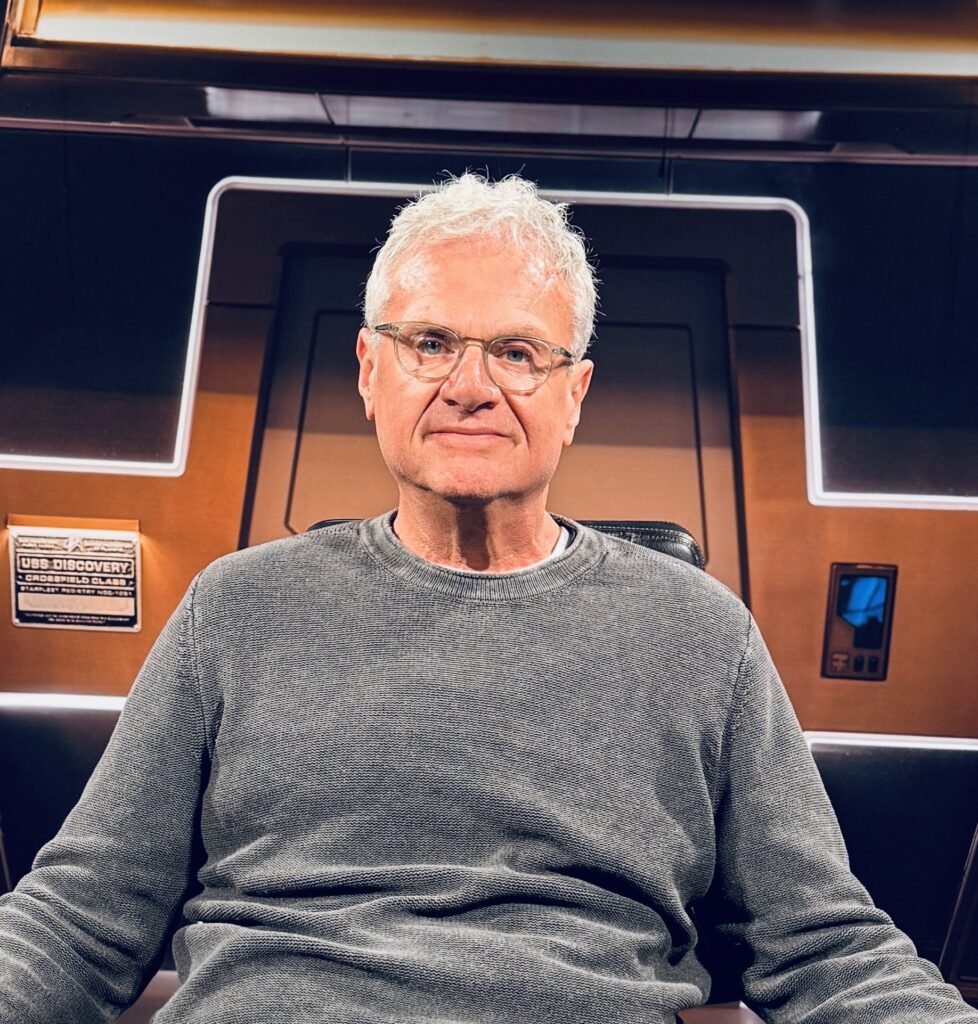
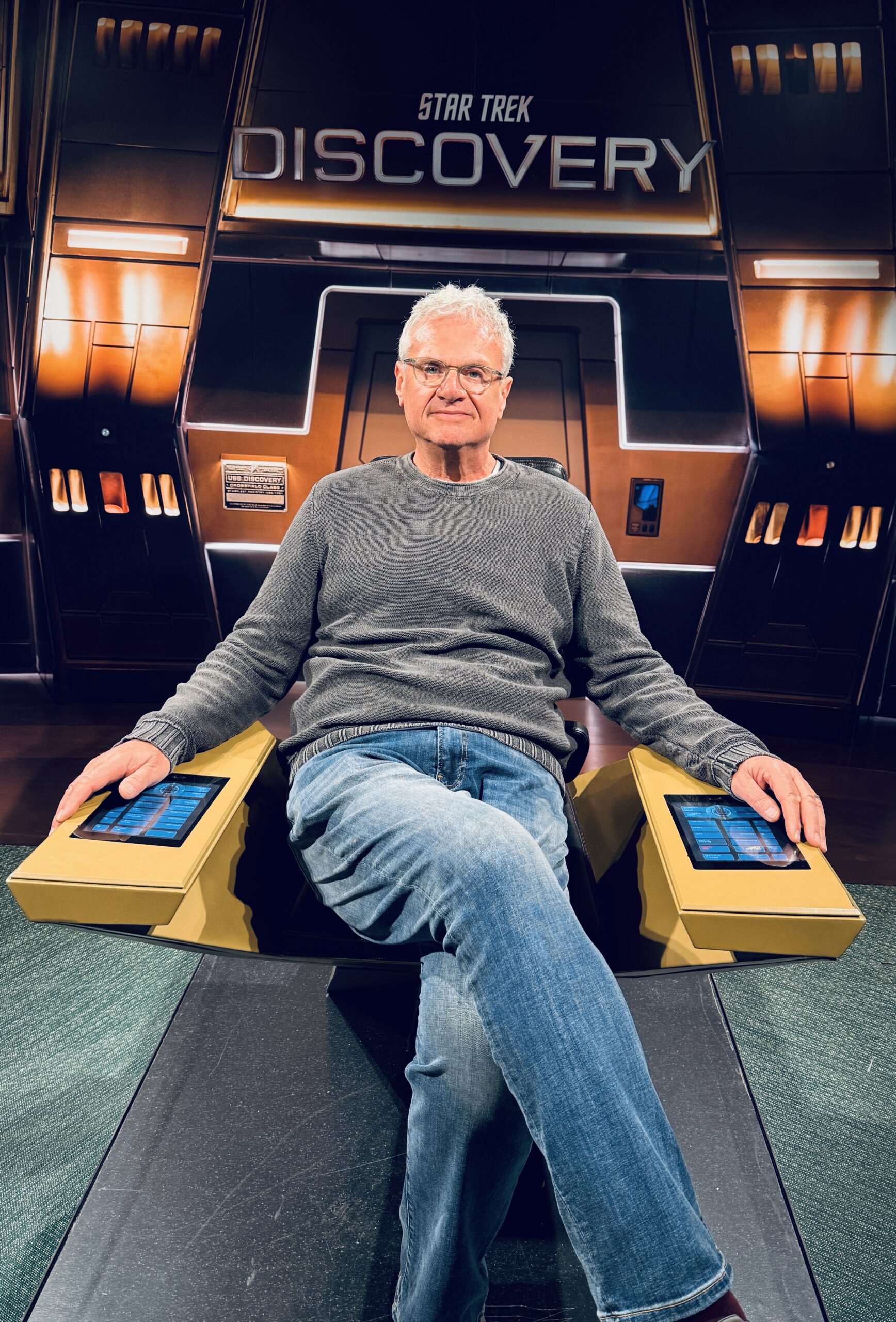
This week, I’m talking with legendary TV and film producer Phil Segal. With a 38-year career that includes everything from Twin Peaks and SeaQuest DSV to Deadliest Catch, Phil is perhaps best known to sci-fi fans as the man who fought for nearly a decade to bring Doctor Who back to the screen in 1996.
Phil shares how climbing over a studio fence led to his first job and why he believes a producer must understand every single role on a set to truly lead. We also discuss his current passion, SprueVerse, and why taking ten minutes for your own “creative release”—even if you think you’ll be bad at it—is the key to staying alive in a high-pressure world.
In this episode, we discuss:
- The Fence-Climbing Incident: How a literal leap of faith launched Phil’s career with one of Hollywood’s greatest casting directors.
- No Means Yes: Why Phil views rejection as fuel rather than a stop sign, and how that mindset saved the Doctor.
- The “Indelible” Teacher: The power of the people who see our potential before we do.
- SprueVerse and Scale Models: Why “owning your time” for a hobby like scale modeling is a vital act of creative survival.
Ready to send your inner critic to summer camp for an hour?We get together once a month for a relaxed, low-pressure session where you can work on whatever you want—without any pressure to do it “right.” Join the Creativity Circle.
Episode breakdown:
0:00 How to get unstuck through creative curiosity
1:15 Phil Segal’s early life: A creative kid in a wacky world
4:30 Moving from the UK to San Diego: A world of possibilities
7:15 The impact of a great teacher and the legacy of sharing
13:10 Climbing the fence: Phil’s legendary Hollywood break-in
17:40 Learning every job: The secret to being a confident producer
21:30 The 7-year fight for the Doctor Who TV movie rights
33:45 Dealing with rejection: Why “No means Yes”
41:00 On-set memories with Sylvester McCoy
52:10 SprueVerse: Reclaiming joy through scale modeling
56:30 Why you must own your time for yourself
Show Links: Philip David Segal
SprueVerse on Facebook
SprueVerse on YouTube
SprueVerse on Instagram
Subscribe!
You can subscribe to Follow Your Curiosity via the handy links at the top of the page for Apple Podcasts, Spotify, iHeart Radio, TuneIn, and YouTube. If you enjoyed the episode, don’t forget to tell your friends!

Transcript: Philip David Segal
Please note: This is an unedited transcript, provided as a courtesy, and reflects the actual conversation as closely as possible. Please forgive any typographical or grammatical errors.
Nancy Norbeck [00:00:06]:
Welcome to Follow Your Curiosity. Ordinary people, extraordinary creativity. Here’s how to get unstuck. I’m your host, creativity coach, Nancy Norbeck. Let’s go. My guest today, Philip David Segal, worked in film and TV for thirty eight years. In that time, he’s been involved with projects ranging from Twin Peaks, 30, and China Beach to SeaQuest DSV, Earth two, and Young Indiana Jones Chronicles, and later, reality titles like Deadliest Catch, Ice Road Truckers, and Storage Wars. He’s perhaps best known in science fiction circles for executive producing the 1996 Doctor Who TV movie. In April 2020, he launched SprueVerse on Instagram and YouTube to connect with his hobby of scale model building.
Nancy Norbeck [00:00:54]:
Phil talks with me about the influence of great teachers, how he got his start in the industry, his decision to bring Doctor Who back and his refusal to take no for an answer, and his love of scale models. His passion for taking creative chances and learning from our mistakes is both inspiring and contagious. I really think you’ll enjoy my conversation with Philip David Segal. Phil, welcome to Follow Your Curiosity.
Phil Segal [00:01:18]:
Thank you. Thank you. I’m, I’m I’m excited to be here and curious to find out what this is all about.
Nancy Norbeck [00:01:25]:
I start everybody with the same question. Were you a creative kid, or did you discover your creative side later on?
Phil Segal [00:01:31]:
No. I was a creative kid in in in in my wacky ways. I I always was sort of living in my world, my fantasy world, you know, role playing, finding things in the yard that I could pretend to be, things that I’d seen on TV or read in comic books but couldn’t get. You know? I I grew up, today, the kids have everything. Right? I mean, it’s amazing. You can think about it and you you click your fingers and you can print or create anything you want. And, in those days, we we we we didn’t have that. So, you know, an old, trash can lid bent in, you know, in in in almost in half became a spaceship or a tree with, you know, I would climb up into, became a spaceship, or whatever I was on my journeys, or when I was building things, you know, my my, my mom used to buy me those little Airfix airplanes, which I I I had no interest in building.
Phil Segal [00:02:27]:
So I would just take them, break them up, and turn them into monsters or or other machines. So, you know, and, always finding something to to sketch on or paint. So, yes, the answer to your question is, always been.
Nancy Norbeck [00:02:42]:
Was that encouraged in your family?
Phil Segal [00:02:44]:
Well, I I don’t know if it it wasn’t necessarily encouraged, but I guess we had the gene. I don’t know. My my my grandfather was a watchmaker, a jeweler, and a and a violinist, and, he he was incredibly creative. My father, on the other hand, he was a a song and dance guy, you know, and and sadly never followed his his passion or his dream, but he was incredibly talented. And my sister is, is is actually a very, very talented painter. So I guess it was it was always there.
Nancy Norbeck [00:03:22]:
So you didn’t have anybody actively discouraging you if you were growing up around
Phil Segal [00:03:26]:
that? No. No. No. No. We I no. No. I’ve never discouraged. But, it it you know? But I will say this, interestingly enough.
Phil Segal [00:03:36]:
The the greatest gift my my father ever gave to me was bringing us to The United States when I was 10 because, I discovered things in school and around, you know, the community. Because I’m a pretty open guy. It’s not difficult to to to be friendly with me. But, I discovered something that was absolutely mind blowing to me, which was, wait a minute. You guys are all going to school, and then you go to college, and then you’re, you know, you’re gonna be doctors and dentists and pilots and space astronauts, or you’re gonna, what do you what what? You know, it was that none of that kind of fabric existed in The UK. So you either, you know, you either went into some some kind of apprenticeship or you followed in your parents footsteps. You you you you there was none none of that. So I was very grateful for it and and, it it it opened up an entire world to me in terms of possibilities and, so that was terribly exciting.
Nancy Norbeck [00:04:36]:
That is really interesting, how that change of place could change your entire view of the world.
Phil Segal [00:04:40]:
Oh, absolutely. I mean, I was 10 years old, and I was a sponge. I mean, I was just wanted to absorb everything around me. And and bless his heart, my father, you know, I mean, I always used to say this, and I love my mother. She was my she was my buddy, and I miss her terribly. But, you know, my my my my parents were very much sort of on their you know, doing their thing and just trying to survive. So we were I was very much on my own as a kid and had to figure things out for myself. So, it was it was quite something to to experience the scale and and the opportunity in The US.
Nancy Norbeck [00:05:23]:
Yeah. Yeah. Especially, I mean, you you came to Southern California. Right? So that’s a radically, radically different thing. I mean, if you had ended up, like, in Iowa, that would have been a totally different thing too.
Phil Segal [00:05:34]:
Yeah. No. It was and and San Diego of all places. You know? So yeah. No. It was it was wonderful. And and I and in high school, I had an incredible drama teacher. You know? I was I was on the football team, got injured, and then found, it’s a long story, but I I found theater.
Phil Segal [00:05:50]:
And my my theater teacher, Walt Stewart, an amazing man, and he was very, very inspirational to me, very, very in a deep way.
Nancy Norbeck [00:06:00]:
I think those teachers that we have that that, you know, make that kind of impression on us are the ones if we’re lucky enough to have one of those teachers, they’re they’re priceless.
Phil Segal [00:06:14]:
It’s indelible. It really is indelible. And, hopefully, you know, a lot of your viewers will it’ll click something, and they’ll they’ll remember that those wonderful people and moments in their lives that inspired them or or took them on, on on on their own journey. Because that that’s that’s, you know, that’s what drives us.
Nancy Norbeck [00:06:37]:
Definitely. Definitely. So so did that experience with that teacher, is that what catapulted you toward acting and and film?
Phil Segal [00:06:48]:
Not well, yes and no. I mean, yes. Absolutely. Yeah. But but the the actual, the the the instigator was my mother. She was a voracious reader, and, I took up reading at an early age. And, one of the things, she had me read was, was was Papillon. And and, I I I was just absolutely drawn to Cherrier’s book, and, it fascinated me.
Phil Segal [00:07:17]:
And then, a few years later, we just you know, I discovered that, you you know, that that there’s a movie. That that this was turned into a film, and and, and it was playing at a local theater. And, my mother you know, I wasn’t old enough to to see the the rated movie. So, you know, on went my father’s hat, a mascara mustache, newspaper in the shoes, a trench coat, and off I went. And because of my size, we we got away with it. And and and and I got to see Papillon. And, my head exploded because what was on the screen wasn’t entirely in the book. And I’m going, wait a minute.
Phil Segal [00:07:58]:
What what what is going on here? And it led me on this incredible expedition to to sort of understand the mechanics of what happens at an early age. What what what happens when when when a book is is is actually ad adapted for for the big screen. And that sent me on my journey of of curiosity and passion and, led to my career. So but, obviously, I it was it was, Walt who introduced us to more theater. I did 21 productions for him, and he cast me in everything. And and then I, and we and at lunchtime, I didn’t hang out with the crowd. I snuck away, and everybody always wanted to know where I was, and I never I never told anybody. I would go to the theater, and he was usually in the back of the theater, you know, either sewing costumes or studying or whatever.
Phil Segal [00:08:52]:
And I just sought him out and hung out with him. And we talked about all kinds of things and actors and movies, and and and it was just such a wonderful just a wonderful thing that he never told me to get lost. He he encouraged me to to just hang out, and, and then I eventually started working on costumes for him and sewing things and painting things for him. And it was an incredible collaboration, but that was the that was kind of those two elements launched me.
Nancy Norbeck [00:09:22]:
Yeah. That’s a that’s a really great combination, that catalyst together.
Phil Segal [00:09:28]:
And Yeah.
Nancy Norbeck [00:09:29]:
And that is that is definitely I had a teacher who was a lot like that.
Phil Segal [00:09:33]:
It’s wonderful, isn’t it?
Nancy Norbeck [00:09:34]:
I mean, it It’s fantastic.
Phil Segal [00:09:36]:
Yeah. And it it shapes you in so many different ways. And, you know, there was many, many, many years ago, there was a wonderful Twilight Zone episode, starring Donald Pleasence, called Changing of the Guard. And Donald Pleasence plays this ’98 late eighties, early nine 90 year old English pro professor at at a at a private school. And he we find him going to his classroom at night, and and and sadly, I I I think he’s gonna, you know, kill himself. And he’s in this classroom, and he’s looking out at the empty seats and the desks, and he says, I I I moved no one. I’ve changed nothing. I’ve done nothing.
Phil Segal [00:10:22]:
And then all of a sudden, all these kids from all his past years, the the ghosts of them popped up in the room, and one by one started telling him how important he was in their lives, and then, the indelible nature of of his impact. And it and it I never forgot that. I never ever forgot that. And, you know, that notion of leaving this planet a little better than you found it through your own ways, your own legacy is is a wonderful thing. So, yeah, I mean, you know, I think it does. It sends us on our journey and it and it and it gives us shape.
Nancy Norbeck [00:10:59]:
Yeah. And I think that, you know, I have been a teacher, but I don’t think you have to be an actual formal teacher in a classroom to have that impact on other people either.
Phil Segal [00:11:09]:
No. You don’t. No. You just have to share. I mean, that’s what I do on my channel. You know, I’m not the greatest scale model maker, on the planet, but it’s not the reason why I do my show. My my my show is to encourage each and every one of my subscribers and everyone else to take up the hobby and and and to do you just just have fun with it. Make it your your your release.
Phil Segal [00:11:33]:
And that’s the purpose of the show. But, I think that’s true in life, and I think it’s true in everything that we do is, you know, don’t don’t not do something because you you you’ve you’ve been told you can’t or the you know, you don’t think you can. You know, let those barriers down and try things, and and and I think it it makes a huge difference.
Nancy Norbeck [00:11:58]:
You’re singing my song here, Phil. That’s that’s totally why I do this podcast, is to get people to go and and do their creative thing and give it a try even if they think they’re gonna be bad at it. Maybe especially if they think they’re gonna be bad at it, just to have the joy of doing it.
Phil Segal [00:12:16]:
No. That’s exactly right. I mean, it was Pablo Picasso who once said, I do not seek, I find. And he he said that he said that because, you you know, he he never passively looked at anything. He was always aggressively looking for inspiration and answers in the universe around him. And I and I think inspiration and answers are are out there for all of us. You gotta go go look for them.
Nancy Norbeck [00:12:44]:
Yeah. You do. But when you look for them, you usually find them.
Phil Segal [00:12:48]:
Yeah. Yeah. Now curiosity as your podcast is is a is a it’s a
Nancy Norbeck [00:12:52]:
very powerful thing. It is. It is. So when you finished with with high school and, you know, how did you move on from there to get
Phil Segal [00:13:04]:
Well, I went to I went to San Diego State, University, and got a degree in TV, television communications. In those days, it was very crude. So, you know but I was told you need college education to to to to to to, you know, so that’s what I did. And, after after college, I went up to Hollywood. I I knew no one, knew nothing. I didn’t know. I knew I wanted to be a storyteller, and I knew I want one day wanted to be a producer, but I didn’t know. I had no way of knowing how I was gonna do that.
Phil Segal [00:13:37]:
So, you know, I I looked everywhere in in Hollywood until one day I was out on on, Pico Boulevard in front of twentieth Century Fox. And in those days, this was 1984. You know, we didn’t have they didn’t have security the the way they do today, and and it was a it was a little easier for me to do what I did, which was I climbed over a chain link fence. And, I found myself standing in the parking space, of this gentleman. He was pulling up in his red Porsche, and, I’m standing in his way. And he says, can I help you? A very a gentleman. You know? He said, can I help you? I said, yeah. I’m looking for a job.
Phil Segal [00:14:21]:
And he said, well, I I I don’t have a job for you. He said, but if you go in go into my office and talk to my assistant, we use interns all the time. And, I said, oh, okay. Well, and inside I went. I did not know the man I was talking to was Mike Fenton of Fenton Feinberg, one of the greatest casting directors, Hollywood ever had, with shows like The Godfather and ET and Raiders of the Lost Dark and on and on and on. I mean, one of the most prolific casting directors, him and his partner, and that’s whose office I wandered into. And, anyway, his assistant put me to work, and, you know, I was there for free. I had no money.
Phil Segal [00:15:01]:
I mean, I I was sleeping in in my car in the parking lot across the street in the in in in you know, because I figured out that these this office this old office building attached to the studio had a shower, and there was a place that heats things up. So I opened up for them in the morning, and they gave me the key to close at night. So I had a place to shower and and and and cook, and then, I slept in my car across the street until the park rangers shoved me along. And that happened for several months until, his assistant, she went on maternity leave, and he hired me as his assistant. And that’s how I broke into and that’s how I got in.
Nancy Norbeck [00:15:43]:
That’s phenomenal. I bet that doesn’t work anymore.
Phil Segal [00:15:46]:
Oh, no. No. No. No. You’d be arrested, and you’d be up on all kinds of charges, and, you know, and, I don’t know what other other things I I I did that, you know, he I don’t know. But that’s the that’s the tragedy of, you know, what happens when tragic things happen and affect us in ways we don’t realize. The domino effect of a tragedy, especially like nine eleven, is is you you you just you cannot overemphasize the impact that has on on on humanity and and all and our freedoms in different ways.
Nancy Norbeck [00:16:26]:
Yeah. Yeah. I mean, at the same time, anybody can make a movie on their phone these days, so there’s there’s that kind of,
Phil Segal [00:16:34]:
you know It’s a different world. Yeah. I mean, it’s a different world. You know, and what what what can we say, you know, when you think about the technology and where it’s ended us landed us, I should say. You know, I I I would say that we historically see what happens when we, when we’re sort of crafting all of this new, content and technology because I I in in my thirty eight year career, I, I saw how it evolved our business, but it hurt the business and it killed jobs. And we’re see we’re going through that now, or they’re going through it. I’m not in it. But, but I it it it too will turn around.
Phil Segal [00:17:17]:
I mean, this will be a ten year cycle till everything kind of settles down and and and sets, and then they’ll be hiring again, and there’ll be growth again, but we’re in a very difficult period right now. And, you know, we’re babies. We’re learning what what what it all means. You know, what does AI mean, and what does all this technology mean? So, you know, there’s there’s there’s a tremendous amount of stuff that is happening right now. We’re trying to put a base on the moon. We we’re we’re nation building, and, we’re doing all kinds of, you know, crazy, crazy things. And you’ve got to find your little islands of hope and love in the troughs.
Nancy Norbeck [00:18:01]:
We certainly do. We certainly do. And I think I am more and more convinced that each of us hanging onto our own creativity for dear life is what we’re gonna need as we’re figuring out the next ten years. Absolutely.
Phil Segal [00:18:13]:
No. It’s gonna drive us. It’s gonna drive us. And, you know, hopefully, I I hope that, this is true of your your viewers and everyone else is, is that the technology, you can use it to your advantage and and and use it as a tool to create your own vision and your own opportunities. You know? And and, it it can it can happen. But, you know, you have to you have to be pretty, I would say determined. Yeah. And and and and that means every single day, every hour of the day is spent trying to figure out how it all works and how you fit in the world and and and trying new things because that’s how you’ll that’s how you’ll you’ll you’ll you’ll gain momentum.
Nancy Norbeck [00:19:03]:
Yeah. Absolutely. So once you got your foot in the door, you you eventually ended up doing things like SeaQuest. And, of course, you know, we’re we’re about to have the anniversary of the Doctor Who TV movie, which Yeah. You know, took you seven years to make happen. And, you know, that that is a far cry from being an assistant in a casting director office.
Phil Segal [00:19:33]:
Yeah. Yeah. It was an overnight success, right, ten years. But, well, again, you know, I I I started to figure out one of the one of the the the well, what the amazing thing was that I stumbled in in into Mike Fenton’s life because that launched my career. It was everything. It was the foundation of everything. I mean, I learned more in in the in the year that I worked, for for him, not just at his offices, but then I moved over to, be the casting assistant with one of his casting directors on, Spielberg’s amazing stories over at Universal. But, but but when I worked for Mike, he brought me to screenings of, movies.
Phil Segal [00:20:24]:
And the conversations that I heard in those rooms from executives and producers and directors, I sat in the back very quietly listening and taking notes for Mike, but, oh my, I mean, my first experience with, we cast a movie on me. We. I Mike cast a movie called Enemy Mine with Lou Gossett Junior, and, it was originally, directed by Richard Long Crane. And, we were sitting in a screening room at Fox watching dailies, and the studio were absolutely out of their minds. They hated what he was doing. Hated it. And so, it was too cold. They they they thought it was supposed to be, you know, a sexier planet, and, it it was too it it it they just didn’t get it.
Phil Segal [00:21:21]:
So they fired him, and they hired Wolfgang Petersen, and I was at the epicenter of this. I was watching this happen, and so I was building on all of the all of this experience, and so I also realized very quickly, from talking to the producers and and other producers who came into the offices to cast, that to be a producer, to be a good producer, you had to understand the full dynamics of how a film is made, everybody’s job. So one of the things that I set out to do was get hired and learn those jobs, as many of them as I possibly could, And, and and and and that would help sort of start to inform me, as a producer, and so that’s what I did. And so over the next few years, I I I I got, you know, all the way to to where I I I realized that, there was one thing that was missing, and that was the power of of of packaging, the power of of putting it all together. So I went into the ICM training program, and became an agent trainee for ICM. And while I was doing that, and I I worked for the head of worldwide television, Alan Bergo. While I was doing that, I met one of his clients, who was about to become the, president of the newly formed, Columbia Pictures TV, studios. And they, they were over, in those days, it was called the Burbank Studios.
Phil Segal [00:23:07]:
Today, it’s Warner Brothers, but in those days, it was the Burbank Studios. And, so anyway, I, got an opportunity to to leave the agency and go to Columbia Pictures Television as as an executive, a creative executive. And and so, it was from that job over at Columbia that I became friends with other agents who put me at ABC Television Network. So I moved to ABC Television Network, and I was there for three years, doing programming. And then, it was from that job that, I was introduced to, a man by the name of Tony Thermoplets, who at one time was the, the chairman of MGM Studios. And he was the also a president of ABC, and he was going to be going over to to create this newly formed thing called Amblin Television for Spielberg. And, because I was an alumni of ABC, and I had met Tony previously at Columbia Pictures, everything came together, and I was hired to be, the the head of of development, and production for Amblin Television. And so I I I finally joined, I met Steven and Kathy Kennedy, and, anyway, they all signed up on me, and I was hired.
Phil Segal [00:24:30]:
And I spent the next sec six years of my life there at Amblin, which is where I did SeaQuest that you mentioned earlier. So, anyway, that’s a that’s my resume to then. There’s more of it, but that’s how I that’s how I move through. And and, you you know, and and the incredible opportunities that you have and the people I was able to meet along the way, I was very blessed. I got luckier than most, I would say, because of, of the incredible talent that I was able to either work with or meet.
Nancy Norbeck [00:25:02]:
Well and I think your instinct, if instinct is even really the right word, you know, taking that lesson of you need to understand what every single person does and then deciding I’m not gonna just go around and ask everybody what they does, what they do. I’m gonna go actually do all of those things incredibly, incredibly wise, because then you really, really know, and you have all of that experience behind you. So there’s there’s no question you can relate to every single person that’s on that that set.
Phil Segal [00:25:38]:
Oh, yeah. It may it makes a difference. It gives you the confidence that you need to actually do the job. But when, you know, many years later, I found myself as head of production for Tribune Broadcasting, and you’d have an arrogant executive producer who was in a distant location doing something for me, and I wasn’t happy for all kinds of reasons. And they, you know, once only once did this happen to me, but he turned around and he said to me, what are you gonna do? Fire me? There’s no one to run this show. You’re screwed. And I said, no, actually, you are fired, and I was on the next plane up there, and I ran the show until we brought in a new producer because I could. Because I could.
Phil Segal [00:26:18]:
Now, there were an awful lot of executives, and you hear so many different stories from, creative people and directors who who, writers who, do not get along with executives. And and that that’s that’s because there was this there’s this broken part of Hollywood that has never been healed, and that is you shouldn’t be allowed to be an executive at at any of these networks or or studios. I don’t care where it is. You shouldn’t be allowed, unless you’ve made something. And that should be a criteria for whether or not you actually get the job, and because it isn’t, you’ve got book smart people and very young people who think they know everything, trying to tell people who have at least made something how to do anything. And it it’s a train wreck. It’s an absolute train wreck. And then you have all these people going, well, how did we get here from here? And why are we spending all this money and getting no content? And and and and and and and so that’s that’s something that’s never been fixed.
Phil Segal [00:27:22]:
And until it is, you you you know, we end up with with mediocre, everything.
Nancy Norbeck [00:27:29]:
Well, and that’s something that we’ve been hearing about in other industries too.
Phil Segal [00:27:32]:
I mean, I definitely the board. Oh, yeah. Absolutely.
Nancy Norbeck [00:27:36]:
Yeah. You know, the the whole Boeing story has Oh. Come up a couple of times with that. Yeah.
Phil Segal [00:27:41]:
Yeah. Yeah. Yeah. No. It’s everywhere. It you know, I I can only relate to the entertainment business because that was my my my world, but it’s everywhere. I mean, you you can translate you know, I always used to say this to the people that would work for me is, you know, there’s never there’s no right way or wrong way to do anything. There’s a way.
Phil Segal [00:28:04]:
It’s all shades of gray, and you learn by your mistakes, and you hopefully build a repertoire in which you can decide how you’re going to attack something based on the accumulated knowledge you get from practical experience. And and so you can translate that to any business. I I don’t care. The scenarios never change. Never. The people do, but the scenarios never change. And if, you know, and and you’ll find it in every business. I’m sure you’ve got listeners who are going, yes.
Phil Segal [00:28:41]:
I that happens. That happens in my business. I’ve got a boss like that or oh my god. But, you know, if you the but, you know, what can you do?
Nancy Norbeck [00:28:53]:
Yeah. Yeah. Well, and I’m also thinking, you know, I just talked to Matthew Jacobs recently, and he was saying, first of all, you know, there are no rules. And and secondly, you know, you’re gonna make a mistake, and the idea isn’t so much to prevent making the mistake, but to be better at it the next time you do it.
Phil Segal [00:29:12]:
That’s right.
Nancy Norbeck [00:29:12]:
And and I think that yeah.
Phil Segal [00:29:15]:
Yeah. You learn from your mistakes at at or you hope we hope we do. We hope we do. You know? But, but, you know, it’s a growth thing as well. We all mature at different times. You know? I think, women mature far far faster than men, and, you know, I don’t think I really grew up until I turned 50. But I would say this, that I think that, you know, it it’s very difficult to, to put yourself in check. And, you know, when I was very, very young in the business, I was incredibly arrogant, Very arrogant.
Phil Segal [00:29:52]:
And I suppose you could argue that that arrogance helped me sort of propel to other things, but I also would argue that it it probably hurt me as well. But but I think that we all have to try to take stock of who we are and take every day to grow. I come to this studio every day wanting to learn something. I don’t pretend to know everything. I want to learn, every day for the rest of my life, and that to me is what makes life exciting.
Nancy Norbeck [00:30:23]:
Exactly. Exactly. If we all actually knew everything, what would we do every day?
Phil Segal [00:30:28]:
Yeah. Well, that’s exactly right. We’d, I don’t know what we would do.
Nancy Norbeck [00:30:32]:
We’d be we’d be very bored.
Phil Segal [00:30:34]:
Well, it’s that it’s that wonderful scene from Wall E. Do you remember when the, all the, the obese, humans became obese and just sat around? It’s that scene. I’ve never forgotten it.
Nancy Norbeck [00:30:47]:
Oh, I know. That movie is such a cautionary tale,
Phil Segal [00:30:50]:
and Isn’t that one?
Nancy Norbeck [00:30:51]:
Sometimes I feel like we’ve forgotten that and kind of turn it into a how to manual, but that’s right. Yeah. I hope, I hope that we’ll remember in time, but, Yeah, this is such a great movie.
Phil Segal [00:31:05]:
Such a great movie.
Nancy Norbeck [00:31:06]:
Yeah. So I’m I’m curious, you know, seven years to make a Doctor Who TV movie. And I know you said at at Gallifrey one, or or maybe it was in in Matthew’s documentary that you’re the biggest Doctor Who fan in the world, which I think you might have to be in order to take seven years to make a Doctor Who TV movie. But what what kept you going to make to to to stick with that for that long?
Phil Segal [00:31:33]:
Well, you know, it it it was it was something that shaped me as a young boy. You know, I wrote a book about this called Doctor Who Regeneration and and, where a lot of those stories are. But my my grandfather and I sat and watched the first episode of Doctor Who called another earthly child, William Hartnell. And I was I was absolutely stuck. And, you know, my, my passion for it just just got bigger and bigger and bigger, and I became a student of it, and I studied it. And, you know, you you you stop listening to the stories, and you start listening to the actors and looking at the background, and you you you’re watching all those wobbly sets, and you’re you’re trying to figure out why they made something the way they did. Because my head works very differently than a lot of fans. And so it’s it’s very difficult.
Phil Segal [00:32:28]:
Sometimes I’ll sit and watch a movie, and, and then I will go back and watch it again and again and again because I’m trying to analyze it and trying to understand how they made it or just because it it it it it’s my that’s my curiosity. It was just something that I I loved. And every time along the way, I, had these opportunities, you know, I arrived at Columbia Pictures, and I thought, well, I’m at a studio. I and in those days, you know, there there wasn’t instant messaging and and email and stuff. You know, there was snail mail, and there was the phone telephone, and that was it. You know? So that was the way you communicated. And you wait for a letter to come back, or you you try to get someone on the phone. And every time I hung up or every time I received a rejection letter from them, it just made me more and more.
Phil Segal [00:33:25]:
It didn’t shut me down. You know, there are some people that’s rejection is their kryptonite. To me, rejection was the fuel that drove me. And it was like, okay, no means yes. So that’s good, okay. And then I would try to analyze the no and go, oh, okay. It’s about this. Or, oh, okay.
Phil Segal [00:33:45]:
I understand it’s about that. And so that’s what kept me going until, I was finally I was working for Spielberg, and we were producing SeaQuest on nine stages at Universal, and, it was massive. And they had something called May screenings. And in those May screenings, came Alan Yentob, who was the director of the BBC, who was in charge of all of it. And he would come to view, the shows and and and get a sense of what he might wanna buy or be, you know, partner up on. And so I got a call from the studio saying, would I give Alan Yentov a tour? I was at my office, and I go, Alan Yentov? Absolutely. Absolutely. I’ll be there in a New York second.
Phil Segal [00:34:27]:
So I came down, this poor man, he had an entourage with him, and there I am, you know, and I’m waxing poetic about, you know, I had I said, Roy, come on. You gotta come and say hello. No. No. No. Roy, you’re gonna, come and say hello to Alan Yeatts. So I put on the dog and pony show, and I was showing him the sets and walking around. And and as I’m walking him around, I start telling him about who I am, and, you you know, and and I, you you know, I’m an Essex boy and a Doctor Who fan and, and, you know, and I literally drove the man nuts.
Phil Segal [00:35:01]:
Nuts. And so it literally morphed from, a wonderful tour of the SeaQuest sets into my absolute haranguing him over Doctor Who. So, anyway, at the end of the tour, he shook my hand. I think he kind of he’s you know? And I said, so what do you think? Doctor Who? Yeah? And, he goes, well, the next time you’re in London, why don’t we have lunch? And he shook my hand and he left. And I thought, okay. That is either the biggest blow off I have ever, I’ve ever heard or it was an invitation to lunch. Now you could take it anywhere you want. I go back to my office and I said to my assistant, in two weeks, call his office and tell him I’m in London and schedule lunch.
Phil Segal [00:35:51]:
And so we did. And he took me up on it, and I jumped on a plane to go have lunch with a man who thought I was in London to do other things. And, and so and so there it was. And, we had lunch and discovered one very important thing. He absolutely loved Doctor Who, but he was surrounded by a bunch of people who absolutely were sick of it and didn’t wanna do it anymore, and it had run its course, and on and on and on. And, so anyway, we talked about how a a new Doctor Who might be framed and how we would go about constructing a deal, and that’s where it started. And, and so I built on that, and, the rest, as they say, is history. Ultimately, I I I got the rights.
Nancy Norbeck [00:36:38]:
So was that sound I’m calculating seven years. So ’96. Seven years is ’89, which is about when the BBC ended it. So so did you Yeah. I mean, was this dream born pretty much the second that they canceled the show?
Phil Segal [00:36:57]:
Oh, yeah. No. Absolutely. I mean, you know, you had John Nathan Turner going, it’s over. It’s done. It’ll never come back. You know, he got very bitter towards the end. But, and I go, this is my opportunity.
Phil Segal [00:37:09]:
And and now I knew there was a couple of people out there running around trying to make a movie, but I knew also they would never get it done. You know? I I I I I did my own homework. I had incredible intelligence power because I worked for, you know, I I I I work for studios, and and so I had access to lots of intelligence gathering agencies. I knew how to get intelligence, and so none of what these people were doing was below the radar to me. I I had the ability to know who was involved, what they had promised, what the deal looked like. I knew based on how the deals were structured that it was just pie in the sky. It was never gonna happen. And, I I I I calculated that, and and and so I I started, the I I started my frontal attack, first from Columbia Pictures because I thought, well, this is a big studio, and and they’ve gotta listen to that, and they did.
Phil Segal [00:38:08]:
But it was, you know, it was still, you know, they it it it it didn’t really gel there, and then I was a b c, and I tried again, and they were starting to listen, you know, even more. And, of course, when I got to Amblin, they couldn’t say no to Steven Spielberg. They just couldn’t. It was too too big of an opportunity. And and and so, I was able to to just basically, you know, put everyone else get eliminate everyone else who was trying.
Nancy Norbeck [00:38:43]:
So then how long was it from that conversation in London before it actually happened? How long did it actually take?
Phil Segal [00:38:52]:
Well, I would say it would be, probably from ’92, ’91 to ’95. So about four years.
Nancy Norbeck [00:39:03]:
Okay.
Phil Segal [00:39:04]:
Yeah. Took four years from that conversation.
Nancy Norbeck [00:39:09]:
That’s that’s still that’s not bad.
Phil Segal [00:39:14]:
No. Well, you know, I mean, the deal making started a lot earlier, but Universal’s, lawyers got so mad at me because the BBC was making all these demands, and they just said, well, we were not we’re not gonna agree to that. And so, you know, they and I go, well, try this try that until Sunday. One day, this lawyer, he was so pissed at me. He goes, listen. He said, I don’t want you calling my office and bothering me about this deal anymore. It’s never gonna happen. It won’t happen.
Phil Segal [00:39:44]:
Drop it. And he hung up on me. And so I went to his boss, and, and I just said, look. You know, I appreciate the fact that this is frustrating, and it’s this is a complicated deal. I said, but look on the positive side. I said, because the studios had never done this at this time, and I said, if you’re able to actually create a coproduction light, just think of the library you’ll have access to. Think of the opportunities you’ll have that you don’t have now. And that kind of, opened the door a little bit, and then I got both sides to say, you know, you know, give on this and give on that.
Phil Segal [00:40:18]:
And I and Alan, you know, was very good, and he he he said, okay. I’m gonna drop all of these, but you have to make a promise to me. And and that’s how it worked.
Nancy Norbeck [00:40:28]:
That’s amazing. That’s amazing.
Phil Segal [00:40:32]:
Yeah. It’s, it was it was definitely, it it it was definitely the the day the deal closed, and I remember the studio calling me and saying, well, you won’t believe this. You know? You got it. And I go, oh, this is fantastic. And literally, for the next twenty one seconds, I was euphoric. Euphoric. I bet. Couldn’t you just couldn’t get me, you know, to come down out of the clouds.
Phil Segal [00:41:00]:
And then twenty one seconds later, I realized I had to go make it. And that was the end of that. So, you know, but what can I what can I say? I’m I’m I’m grateful it happened. I wouldn’t change anything except some of the people that I was forced to surround myself with. But for the most part, it was an incredible thing, and I and I and I’m glad for it.
Nancy Norbeck [00:41:28]:
Yeah. I think I think we all are. I mean, I have to imagine if if I had been in your shoes after all of that, I also would have had moments where I would have you know, woken up in the morning going, did I dream that this actually just happened after all of this time? You know, is is this real? I mean, did did you have that or was it just like, holy crap, this is actually happening and and here we go?
Phil Segal [00:41:51]:
No. I’ll tell you. You know? Yes. I had that moment. I had that moment, on the the first day we were shooting in the TARDIS, interior on the set, and, Sylvester McCoy was up first. You know? He got a chance to to to fly the Tardis, one more time. And, he was, he was incredible. And, you know, I was standing there, and he came up behind me and touched me on the shelter.
Phil Segal [00:42:21]:
And he goes, well, I’m home. And, I I and I knew at that moment that it was just it was all soaking in that we were we were gonna try and do something, you know, different and and and special. But, you know, listen, I I’m full of excuses now all these years later, but, you know, the the reality of it is is I I was dealing with so many uphill realities. You know, it was too far ahead of its time, unfortunately. Had it have been, you know, closer to today, I think we’d have had a much better opportunity to take it to series. But in those days, there were just too many too too many headwinds.
Nancy Norbeck [00:43:03]:
I think that’s that that sounds right, especially, you know, from, again, the the conversations in at at Gallifrey one and and also talking to Matthew the other week about Universal’s decision to say, no. We’re gonna go with sliders where we we have our science fiction show that we understand as opposed to this weird thing with this blue box that, you know, whatever.
Phil Segal [00:43:26]:
Actually, actually, the bottom line wasn’t that. The bottom line was financial. You know?
Nancy Norbeck [00:43:31]:
Oh, okay.
Phil Segal [00:43:31]:
They they were fifty fifty partners in, in in Doctor Who. They were they owned a 100% of sliders. Yeah. You know? I mean, the studio, bottom line is is, you know, which which is why it took so long for this four k to actually get released is that, you know, they they were at loggerheads with the this the these rights and that Universal had them and and, so everybody everybody just blocked everyone from business and and and got caught at Maelstrom. But it was purely a financial decision.
Nancy Norbeck [00:44:04]:
Okay. Well, and there’s, you know, the perpetual issue with the rights for Grace and Chang Lee with Big Finish where, you know, they can’t can’t use them. So
Phil Segal [00:44:14]:
Right. Yeah. And then and and, but, you know, it was interesting too because I could have helped with that, but nobody came to me. Oh.
Nancy Norbeck [00:44:27]:
Well, that’s a shame.
Phil Segal [00:44:29]:
Nobody nobody calls me or they don’t call me. I see. I’m the last person that gets called, and, I I I actually, you know, could be helpful. But, but, hey, there you go.
Nancy Norbeck [00:44:42]:
Well, that’s that’s crushing news.
Phil Segal [00:44:46]:
Well, I’m sorry. It’s just the reality of the what can I tell you?
Nancy Norbeck [00:44:50]:
Yeah. Well
Phil Segal [00:44:51]:
And I’m not hard to find, by the way. I I I’m I I’m not hidden.
Nancy Norbeck [00:44:57]:
Well, I may have to slip a note to somebody that I’ve spoken to from Bigfoot. Tell them to give you a shout. But, but I do think, you know, as as we’ve also said, it it was the stepping stone to what we have now. So I don’t think anyone has any right to complain about that. You know, we’ve we’ve got a great series now because of what you all did.
Phil Segal [00:45:20]:
Well, thank you. That’s very kind. I mean, I, you know, I I I you know, I’m a big a big passionate fan of it, and I’m thrilled it it it carried on. My only advice to them now is to let it let it just give it a moment. Let it breathe. You know, it’s too much of it. It’s saturated. It’s not special.
Phil Segal [00:45:41]:
You know, you need to protect it. It it needs to be special.
Nancy Norbeck [00:45:45]:
I think that’s right. I think that’s right. And I think too, you know, the the surprising thing from the fact that we got the TV movie in ’96, and then we didn’t have anything from until 2005 is that we got this wonderful set of series in comics and books and on audio for the eighth doctor and Paul McGahn, and he kind of ended up becoming this I don’t know if folk hero isn’t the right term, but it’s the one that’s coming to mind. You know, he’s he’s got his own particular fandom, the eighth doctor. Right. Because, you know, in a way, because we didn’t get him on screen, I think he’s appreciated in his own special way because people had to seek him out in those different ways. And obviously, we don’t know what what we would have had otherwise, But I think that there’s something special about that too.
Phil Segal [00:46:43]:
Mhmm. Very much so.
Nancy Norbeck [00:46:44]:
Yeah. And and you know, that that experience back in in February of everybody sitting there and watching the movie together, alas, without Paul, but with everyone else, you know, and having that that commentary as as Matthew said, it was like watching the movie with, you know, this this living room full of a thousand of your best friends. And and I think that’s how it felt felt for everyone who was in that room
Phil Segal [00:47:08]:
to watch it too. It it was wonderful. And, of course, Sean Lyon remembers, you know, I I I gave him a, a screening of the film before before it aired. He saw the film. Sean he does. Sean, saw the film, and, you know, and I I said, what do you think? You know? And and, so, that was very important to me. You know? I mean, listen. I I wanted, the fans to be happy, but I also wanted to try to introduce it to a whole new audience of people who otherwise did not know who doctor who was.
Phil Segal [00:47:43]:
And we we tried to do we we we you know, because you’re not gonna please everybody. Right. And, you know, to this day, I I have so many people up in arms about what what what we did. But, but, you know, it it there you go.
Nancy Norbeck [00:47:59]:
Yeah. I think I think a lot of people have come around in thirty years, and I think that the people who haven’t are, you know, lost in their own way is my personal opinion. But, you know, they can they can go be whatever they wanna be by themselves, and everybody else can have fun with Well,
Phil Segal [00:48:16]:
that fandom is a very interesting thing. And I never really, I never really understood it because up until the day that I snuck into the back of the Gallifrey Room in in those days, it was in Pasadena in a little hotel, and I think it was, like, 50 or 60 people there. And, you know, there was no Doctor Who, and they did not know yet that it was coming back. And I’m sitting in that room, and I’m listening to them. And, you know, from that day forward, and then all the conventions that you go to and the people you meet along the way, you realize the individuality that, yes, everybody as a collective loves Doctor Who, but the individuality of the passion, and what what they think is is important to them is absolutely amazing. It’s amazing how the human psyche works. And, one of the classic things that you learn about television and and and and characters is these recurring characters, they they they come off the screen, and their story is irrelevant. The the the the you know, you get to a point as a fan where you just wanna hang out with your best friend for an hour or a half.
Phil Segal [00:49:36]:
You that’s all you wanna do, and you don’t care about anything else. Now you you nuance the world that they’re in, and you wonder this, and you wonder that, but that’s the potency of it. And that’s the magic of it, and and that’s what you you get at at Gallow of Fray one, with all all I mean, especially all the all the people who come, you know, in cosplay and and are dressed as their favorite doctor or their their their favorite villain. And you you realize the the incredibly indelible effect it has on, people. And and, you know, anybody who shows up at that for the most part are I consider them to be creative people. Oh, absolutely. In whatever, you know, way, shape, or form it takes in their lives, but that’s why they are there, and that’s why it resonates to them.
Nancy Norbeck [00:50:27]:
Yeah. It is such a phenomenal creative playground for the people on both sides. You know, the people who are making it and the people who are taking it in. It’s it’s it’s it’s amazing. And I think, you know, like, you you may have been, you know, you and and Matthew may have been the first example of the people who grew up watching it starting to make it, you know, just like we have now with with Russell and Steven and Gary and and all of those folks. I mean, it’s it’s just this amazing thing where where it’s cycling on itself in in the coolest ways. So
Phil Segal [00:51:01]:
Yeah. Well, you know, I mean, it it it has, it has affected, all those people in in the in their own way, you know, some from a creative standpoint, some from a bit a business standpoint. But, I think that, the thing is is, I don’t think, all those years ago when this character was created that anybody in their right it it had any clue of what they had done. No. I don’t think they realized what what they had done when they dropped this pebble in the water. The ripple effect was extraordinary. And that’s very rare. I mean, it’s not.
Phil Segal [00:51:41]:
You know, I don’t think there’s I I don’t think there’s another character in in in science fiction history on certainly on television that has, has done what what this character has been able to achieve.
Nancy Norbeck [00:51:56]:
No. I agree. I agree. And I wanna make sure that we have a couple of minutes to talk about what you’re doing now because you’re you’re sitting in this fabulous studio and you have this project with all of these models, and I I just wanna give you a chance to tell us about it.
Phil Segal [00:52:11]:
Well, thank you, and I appreciate that. Well, on YouTube, I’m SprueVerse. That’s s p r u e v e r s e. And Spruverse, sprues are the trees that that that, plastic models, come on, and you snip them off and you build them. And, but, my channel is dedicated to to to scale modeling, and, I I I’ve been an avid scale modeler for many, many years, but about five years ago, my wife encouraged me to, to to to start, you know, memorializing my builds. Because over the years, when I had been able to successfully build something, I, would give it away. Because someone would say, oh, I really think that’s so cool. I go, I’ll take it.
Phil Segal [00:52:55]:
So I didn’t, you know, I didn’t have any of these models that all all these wonderful hub modelers out there have built. You know? And so I started building my stash, and and and I launched my channel. And, today, I’ve got 22,000 subscribers. And, I I’m starting, to to really, enjoy the the fruits of my labor in so many different ways. But my subscribers are amazing. And each week, I try to put out at least one show a week. We’re either it’s a build in progress or it’s a single build, and we’re we’re we tackle all kinds of things, but it’s always in the fantasy and sci fi world. I I don’t do planes and tanks.
Phil Segal [00:53:37]:
That’s not what you do on my channel. But we are dedicated to to to fantasy and sci fi, and I try to be as eclectic as I can. I I build sculpts. I build spaceships. I collaborate sometimes with some of my fellow, modelers, and and we have a wonderful time. I’ve got an incredible community of of friends and and subscribers. And, and I try to give tips and and and show people some of the things that I’ve learned. And I’m also a test kitchen, so I’m fortunate enough that I can buy 10 different versions of something and play with them and and and let people know what I think of things.
Phil Segal [00:54:15]:
You know? I I’m not paid by anybody, to say or or I so it’s all it’s all my own opinions, but, people know, you know, if they they they they tune into the show, they see, all of the various different tools that I have, and they’ll ask me about this and that. And so I’m I’m happy to to make that part of the, of it. But the core of it is to really encourage people to build. There’s so many of my subscribers who have hundreds of kits in their stash, and they don’t build them, and they make every excuse in the world. Oh, I don’t have time, or, you know, I’m too busy, or I can’t, or it’s too difficult, and I go, no. I don’t care if you take it down, put it on your just open it and look at it. Do something to make yourself, you know, get to your happy place for five minutes, and I encourage each and every one of my subscribers to do that. And that’s what SprueVerse is all about.
Phil Segal [00:55:06]:
It is celebrating the the passion, for the scale model, in a world that I that I have. And, and, you know, and that’s that’s what I, that’s what I subscribe to, and that’s what I do. And so I’m here every day. This is my day job, when I’m not in Oregon, attending to my inn that my wife and I own. So anybody who tells you that, you know, that retirement is boring is like, I I have less time now than I have when I was working. But I’m I’m absolutely, dedicated to my channel, and, I I just love being here. It’s, this is my happy place.
Nancy Norbeck [00:55:50]:
Isn’t it interesting how, you know, you mentioned that people have all of these kits and they make all these excuses not to touch them. I’ve I find that so fascinating that we all have the thing that we love to do, and we all in. So, you know, not on all, but an awful lot of us make excuses not to do it, even though we love it. I think there’s a part of us that forgets how much we love it when we’ve been away from it for too long. And, you know, until we actually give ourselves permission to go and do it again Right. When we have that moment, then it’s like, oh, man. Why did I why did I not do this for a while? Like, I forgot how good this feels.
Phil Segal [00:56:29]:
Absolutely. I mean, I worry that there’s so many people out there, and and all your listeners know who they are because I’m talking to them, is they’ll make an excuse, any excuse to not do something that they love because they don’t have time. And that’s not true. You can take ten minutes. Ten minutes is not gonna kill you. Right. Twenty minutes, half an hour, you your the the world will still be here when you’re, you know, when you take take that time for yourself. I don’t care what you do, what your passion is, what your hobby is.
Phil Segal [00:56:57]:
Take that time for yourself. Own that time for yourself.
Nancy Norbeck [00:57:01]:
You’ll be glad you did. That’s right. Absolutely agree. And I think that’s a great note to end on, and I have loved this conversation so much. Thank you so much, Phil. This has been fabulous.
Phil Segal [00:57:13]:
Oh, it’s been an absolute honor. Thank you. Thank you, Nancy, for for having me.
Nancy Norbeck [00:57:18]:
That’s our show. I’m so grateful to Phil Segal and to you for listening. Phil’s links are in the show notes. I hope you’ll leave a review for this episode. There’s a link in your podcast app, and it is super easy, and it really makes a difference. If you enjoyed our conversation, please do share it with a friend. Thank you so much. If you’re tired of thinking about answering a creative call but never actually doing it, come join me for an hour and start feeling like yourself again.
Nancy Norbeck [00:57:46]:
The Follow Your Curiosity Creativity Circle is a safe, welcoming, and encouraging environment where we send the shoulds and inner critics off to summer camp where they’re kept busy rather than getting in our way. You can find it at the link in your podcast app. See you there, and see you next week. Follow Your Curiosity is produced by me, Nancy Norbeck, with music by Joseph McDade. If you like Follow Your Curiosity, please subscribe, rate, and review on Apple Podcasts or wherever you get your podcasts. And don’t forget to tell your friends. It really helps me reach new listeners.