
When was the last time you actually met you? Not the role you perform for your family, your job, or your community, but the version of you that exists when no one else is watching?
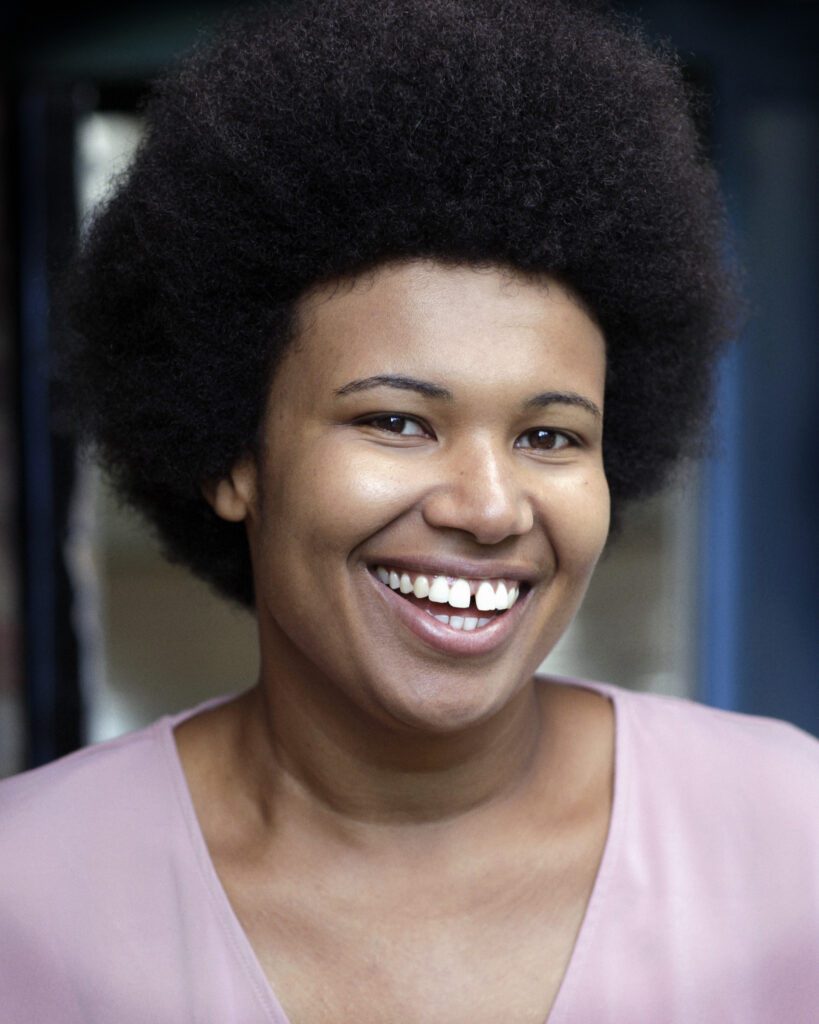
In this week’s conversation, I’m talking with playwright and actress Anne Odeke. We talk about why the rigid discipline of adulthood often acts like a clamshell that keeps our real selves hidden and how to find the medicine that helps us open back up. From the accidental path to teaching in flip-flops to her history-making play, Princess Essex, at Shakespeare’s Globe, Anne shares why being seen—truly seen—is a fundamental human need.
It’s an invitation to stop overthinking your way to a creative solution and start finding the creative oxygen that lets you breathe again.
I’m Nancy Norbeck, and I’m your Messy Muse Mentor. I help people feel alive again through curiosity and play.
In this episode, we discuss:
- The Clamshell Effect: Why we walk around closed off and how to stay open to your own creative aliveness.
- Jumping into the Fire: Why the sense of discovery is more important than the end result.
- Princess Essex: The true story of a woman who pretended to be a princess just to be seen for a day.
- Creative Oxygen: Why finding what makes you feel human is a necessity, not a luxury.
Ready to send your inner critic to summer camp for an hour?We get together once a month for a relaxed, co-working-style session where you can work on whatever you want—without any pressure to do it “right.” We send the shoulds and inner critics off to summer camp where they’re kept busy rather than getting in our way. Join the Creativity Circle.
Episode breakdown:
0:00 Introduction
0:38 From Teaching to Shakespeare’s Globe
1:52 Storytelling as a Family Nature
6:35 The Drama Teacher Who Led with Care
11:52 Stumbling into a Teaching Career
15:33 The “Yes, And” of Life: Jumping into the Fire
23:59 The Nudge that Led to Drama School
27:18 Mountview Training as Medicine for the Soul
30:17 The Clamshell: Staying Open to Everything
41:05 First Day at Shakespeare’s Globe
46:38 The Origin of Princess Essex
51:29 An Accidental Conversation at the Globe
58:42 Overcoming Imposter Syndrome
1:10:54 Find Your Oxygen: Reclaiming Creativity
Show Links: Anne Odeke
Anne’s website
Anne’s Instagram
Subscribe!
You can subscribe to Follow Your Curiosity via the handy links at the top of the page for Apple Podcasts, Spotify, iHeart Radio, TuneIn, and YouTube. If you enjoyed the episode, don’t forget to tell your friends!

Transcript: Anne Odeke
Please note: This is an unedited transcript, provided as a courtesy, and reflects the actual conversation as closely as possible. Please forgive any typographical or grammatical errors.
Nancy Norbeck [00:00:06]:
Welcome to Follow Your Curiosity. Ordinary people, extraordinary creativity. Here’s how to get unstuck. I’m your host, creativity coach, Nancy Norbeck. Let’s go. Anne Odeke is an actor and emerging playwright. She began her career as a secondary school drama teacher before entering the Mount View Academy of Theater Arts at the age of 26. She began writing in 2020 as a result of the pandemic, and five years later found herself writing a play for the main stage of Shakespeare’s Globe.
Nancy Norbeck [00:00:38]:
Her multi award nominated play, Princess Essex, is based on the first woman of color to enter a beauty pageant in The United Kingdom. With Princess Essex, Anne became the first person of color to write and star in a show at the Globe, and possibly the first since William Shakespeare himself. Anne talks with me about how she stumbled into teaching and decided to pursue acting, the way her year at Mount View taught her far more than theater skills, her unexpected path to writing, how Princess Essex came to be, and more. Here’s my conversation with Anne Odeke. Anne, welcome to Follow Your Curiosity.
Anne Odeke [00:01:17]:
Well, thanks for having me. Honestly, I’m very, I’m very touched to be here. Yeah. I’m very excited as well. As I say, I find people I love chatting. I just always like chatting anyway, but I always have. It’s just, you know, something that the classic student, you know, got in trouble probably quite a lot for doing so if I’m honest. But, well, I’ve always just loved it, so this is a real joy.
Anne Odeke [00:01:43]:
Excellent.
Nancy Norbeck [00:01:45]:
I start everybody with the same question. Were you a creative kid, or did you discover your creative side later on?
Anne Odeke [00:01:52]:
I was definitely I was definitely creative. Like, in in a sense, I was a doer. You know, I was always really, you know, I I remember I’d I’d do a lot of imagine like, imagining a lot and just just play. I always just loved playing, and, yeah, and had, like, you know, imaginary friends and and just you know, now I think about it kinda like going into these different worlds in my head. And, so, yeah, I think it’s always been there, always been. And and particularly, like, I was thinking now I’m older, I slightly look back at my family, and I’m like, actually, we’re they’re a group of, like, storytellers, this notion of getting people together and then just telling big stories that seems to go on and on and talk for a long time. You know, even by by nature, that sense of creative, I think it’s slightly, like, in the genes as it were, particularly storytelling.
Nancy Norbeck [00:02:56]:
That’s interesting. So your your family was pretty creative then?
Anne Odeke [00:03:00]:
Yeah. I think, like, actually, on paper, if you saw the jobs they do, though, no, like, absolutely not. Like, you know, the it ranges vastly. Like, I think my mom is a nurse. My husband works as a financial adviser. So, like, I don’t know. It’s just so we wouldn’t necessarily, on paper, say that there are things that that they do. And and, yeah, there’s, like, entrepreneurship.
Anne Odeke [00:03:29]:
I think there’s quite a lot of that. But, certainly, I’d say, actually, they are people people. That’s what I’d say. If even if they’re not necessarily creative, I wouldn’t say I came from certainly, absolutely not, like a family of creatives on paper, but, actually, their nature is their conversation style is always storytelling.
Nancy Norbeck [00:03:54]:
That’s cool. So as you grew up, how did that start to kind of gel for you?
Anne Odeke [00:04:03]:
Well, I guess when it I’d say, I think it’s always been there, this nature of being being creative, but kind of when you were like, oh, right. This is a thing. This is actually something I’m, like, I’m good at. And something like a channel, really, for me came, in secondary school. And and it’s, I mean, it it’s not even a cliche, but but it really is with my drama teacher. And I remember we were I was just doing, like, some drama stuff at school, you know, like, as part of, like, the education system. It wasn’t like an extracurricular club, but it was just me. Like, I was about 12.
Anne Odeke [00:04:45]:
And he was like, oh, you know, in in class, he was like, you’re really good. He was like, you know, why don’t you come and audition? We’re we’re gonna do, boxing Malone. You know, do you wanna come play the do you wanna come and audition for the part of Fat Sam? And I was like and, actually, this thing that slightly put me off I thought it wasn’t even the notion of being Fat Sam, actually, because I must say it was an iconic part. It really is. But I was like, I just don’t know that I’m that theater kid. I was a bit like, oh, good god. Really? So I wanna be you know, is that my tribe? Mhmm. Then, actually, I auditioned and loved it.
Anne Odeke [00:05:17]:
And then, yeah, and then just literally just, you know, caught the bug and then and then was just, you know, in school productions and that. So kind of probably started with with him, I think, at, like, the if you say officially, in that sense, it would have started in school.
Nancy Norbeck [00:05:33]:
Yeah. No. I I love stories like that with people who see talent somewhere and decide to encourage it. I think I think those people are amazing. And They yeah, there’s there’s almost always a good story that goes along with it. Mhmm. You know, that that it’s not just, you know, your your run of the mill class. We’re having a play.
Nancy Norbeck [00:05:56]:
There’s there’s always something, you know, about those people that I think is really amazing and and magical. Oh, definitely.
Anne Odeke [00:06:05]:
We are I you know, I just I just love the fact in our lessons, like, goodness. This sounds terrible to say. I don’t really know what I learned, but I know I had a great time. And he just let us just play the whole time. It would just be like, we’re just acting, are we? Oh, great. Like but if you say so, you know, did I learn about all these incredible techniques and theories? And I’d go, no. Absolutely not. No.
Anne Odeke [00:06:35]:
Did I do a lot of, like, popping out from curtains? Yeah. Yeah. I did a lot of that. I remember doing a lot of that, and and lots of West Country accents. And, and I had thought I had an absolutely brilliant time, but I just remember he just let us play, just go with our imaginations. And, and, yeah, really, really a lovely man as well. And that’s the the thing I think is, like, you know, he he is a teacher. He led with care, like, that which I think is such an important thing.
Anne Odeke [00:07:08]:
It’s, you know, one of the most underrated forms of currency that we have. But he he led the room with great care. And, so, yeah, it it in that sense, it was kind of more than a more than just, like, drama as such, you know, it it it really went to the heart.
Nancy Norbeck [00:07:32]:
I love that, leading the room with care. I don’t think you know, we don’t think about that most of the time, but what an amazing thing to have experienced and to notice.
Anne Odeke [00:07:45]:
Yep. Yep. Yeah. Definitely. Even then just even then, you know, I know it’s it. It it’s when you you know, I guess it’s a thing of it’s the notion of being seen Mhmm. Really. You know, it’s when somebody sees you, you go, alright.
Anne Odeke [00:08:03]:
And it’s not just, you know, they look at you. You go, I am seen. And you go, wow. And you and you you get me, in a way that perhaps I might not even get myself. And, and that’s what I felt, he he was as a as a teacher.
Nancy Norbeck [00:08:22]:
I think the best teachers get their students even if their students don’t.
Anne Odeke [00:08:27]:
Oh, yes. Yes. Yes. Yes. Definitely. Definitely agree with that.
Nancy Norbeck [00:08:31]:
Yeah. And I I know you you taught for a while. Is was he the inspiration for you to decide to become a drama teacher, or did that happen differently?
Anne Odeke [00:08:40]:
This is well, yes. And well, I wanna I feel like I should say yes. The the glorious answer to this is yes. The slight reality of it is the reality is no. I I actually, I fell into teaching, but I guess I kind of did. I so basically, I went to university. I did, drama. I did more than drama, actually, which is the, at Brno University.
Anne Odeke [00:09:03]:
It’s a study of theater from nineteen thirties onwards, very specific. And it was very, like, Tate Modern, if you know, like Tate Modern, which is very, like, very, very contemporary art. So it’s like very if Tate Modern met theatre, that’s what I studied. It’s very much not anything that I do now, but it it’s what it was, and I just loved it. I remember just there’s there’s just I remember quite a lot of getting my boobs out and to music and having a lovely time. And so I absolutely loved it. So, yes, very, very, different And, quite quite like, in a really great way, but one of the modules just several modules, but one of them was about community theater. And I was like, right.
Anne Odeke [00:09:43]:
Okay. I’m gonna yeah. And I was like, oh, right. Do you know what? Actually, this community module that I’ve got past for uni, I’m gonna ask mister Clark, who was drama teacher, this lovely fella, and ask if I can go back. So I said, would you mind if I come in and do a couple of weeks, you know, and just, like, watching you teach and what you do? And he was like and he checked with the school because he was like, yeah. I don’t mind. I’ll just double check. And he did.
Anne Odeke [00:10:04]:
And then this teacher, quite hot. The lad was like, well, she can only come in as a teacher training. And he was like, oh, apparently you can only come in if you didn’t do teacher training. So do you wanna sign up as a teacher training? And I was like, yeah. Alright. I’ll find some way of doing that. So then I did, and I did, and I forgot all about it. I actually forgot I’d even done it.
Anne Odeke [00:10:24]:
This sounds crazy. I know. But I’d actually forgot I’d even applied, because I’m just kinda got on with my life. And then what happened was is I then got this call, like, six months ago. Oh, no. Sorry. And then I, as part of this thing, they were like, oh, in order to get on the course, you have to do these tests. I had to go and do these tests.
Anne Odeke [00:10:41]:
And I was like, yeah. Okay. And I remember arriving, and I thought, oh, it’s just gonna be like, we’re just gonna sit in a room while we’re gonna do some tests, and then I’ll just go do my shopping. And I I remember I arrived, and people were, like, wearing seats. And I I arrived wearing t shirt, jeans, and flip flop. And I didn’t even have a VIN. I didn’t even have a VIN. And, and then I forgot all about it.
Anne Odeke [00:11:01]:
And then, like, a few months later, I got this phone call when I was working in a mobile phone center, and they were like, hey. Where are you teaching? And I was like, what do you mean? And they were like and I was like, what? They were like, has anybody contacted you since? And I was like, no. And they were I was like, no. They haven’t. I was like, what? Did I pass those tests? And they were like, yeah. You passed them. I was like, has nobody told me? I was like, no. No one told me.
Anne Odeke [00:11:18]:
They’re like, oh, you passed. They were like, oh, do you still wanna be a drama teacher? And I was like, yeah. Okay. Cool. She says, work in mobile phone center. And they were like, basically, I just upgraded people’s mobile phones. And they were like, yeah. There’s this school, and they’re looking for a driver’s teacher.
Anne Odeke [00:11:31]:
So you’re right to go in? And, and then I was like, yeah. When can I start? And they were like, two weeks’ time. I was like, see you then. So that’s that is how and that sounds awful because I realized it’s this vacation. And then it and then it has been in my life now teaching. I did it, and I absolutely loved it. I must say I absolutely loved it. It’s funny how things find you in life.
Anne Odeke [00:11:52]:
But that was the start of my teacher entering teaching journey where I was like, what’s it? What did they do? What’s this tenth? Did I pass? And I what? Yeah. Okay. I’ll see you in two weeks.
Nancy Norbeck [00:12:06]:
Oh, wow. The the t shirt and the flip flops is my favorite part. But
Anne Odeke [00:12:10]:
I know. I really did. Honest to god. T shirt, jeans, and flip flops. True story. And everyone else is in suits really seriously, like, best best suits. They’re wearing their best teacher suits, and this girl rocks up, honestly. It’s kind
Nancy Norbeck [00:12:26]:
of kind of hilarious to me because, you know, I I taught for a while, and and I, you know, kind of I didn’t exactly stumble into it, but it wasn’t something that I did at university. I mean, I I sorta did. I did everything for my student teaching except the actual student teaching part. So I almost had the minor and, and the stuff. And then at the last minute, I decided not to do that. And so then, you know, fast forward ten years, and I’m going, why did I do that to myself? And went off because where I live, there’s this alternate route that you can take to kind of go in the back door to get certified. Okay. So I went and I took one of those tests.
Nancy Norbeck [00:13:10]:
And I remember everybody else being so freaked out about it, and I was like, I’m not really sure what there is to be freaked out about here. And I just went in and I took the test. And, you know, it’s funny, like, that kind of stuff messes with your head. Right? You show up dressed in a t shirt and flip flops and no one else is, and it messes with you. And I just kinda thought, well, I’m gonna take the test and we’re gonna see what happens. And I passed it with flying colors, and I was like, okay then. I guess it’s alright. But but it is funny because, you know, everybody else there was like, I’m like, okay.
Nancy Norbeck [00:13:43]:
I mean, then listening to your story, I’m just thinking Same energy.
Anne Odeke [00:13:47]:
Because I I remember this energy being so charged in this room. I feel so charged. And, you know, it’s like turning up to a party that you’ve not been invited to. It’s that slight feeling where you were like, what? What’s going on? And you’re like, alright. And also remember, like, I’m still like, I haven’t even graduated yet. I’d I’m still I mean, I’m still doing shots of vodka, like, several times a day and partying really hard. And do you know what I mean? Like, I’m in a whole different point in my life. Well, I’m, you know, I’m I’m still partying.
Anne Odeke [00:14:18]:
And, other people, you know, they’re like, yeah. You know, they found their call in life. This is what they want to do when which is great. Great. Great. Great. But I I just wasn’t mentally there yet. I was like, I just need to pass my module, and then I’m gonna go back.
Anne Odeke [00:14:29]:
And then I’m gonna go get the tube into London, and then I’m I’m gonna go clubbing, and and then I’m not gonna come home until 6AM, which is what all the best teachers do. Right? So you’re like, I’m just not there. I’m just not there yet. But, but I’m grateful, and I and, actually, and I do love it. And I’ve loved many of the schools that I’ve seen and meeting the most incredible students and incredible staff. And it’s also you know, I love laughing. There’s so many stories that are either funny or, my god, if you don’t if you don’t laugh, you’ll cry, which is bleaching it. It’s rest of the honest really do.
Anne Odeke [00:15:03]:
That’s also a massive part of it. And, and so I remember that. So I’m very, you know, I’m I’m very grateful for for for, actually, for that teacher being like, no. She can’t come in until she’s doing it. And I was like, oh, yeah. Alright. Fine. So, actually, it’s funny.
Anne Odeke [00:15:20]:
You just go, yeah. And that’s a thing, innit? Like, it’s just life where you go an opportunity comes and you go, yeah. Alright. Why not? You know, it’s saying yes. This notion of, yeah. Okay. And you go, yeah. Alright.
Anne Odeke [00:15:32]:
Why not?
Nancy Norbeck [00:15:33]:
Yeah. And with you, it’s sort of like life was gently pushing you in in that direction. But yeah, I, I am convinced that the improv yes, and is not just a rule for improv. I think it’s a rule for life. And, and I think it’s when you’re not raised to think that way, I think it’s, it’s tough to recalibrate your brain to it sometimes. But at the same time, you know, that that recognition that, okay, what’s gonna happen if I say yes to this? I don’t know. Let’s find out. Could be an opportunity.
Nancy Norbeck [00:16:05]:
Could fall flat on my face. Let’s let’s see is is massive.
Anne Odeke [00:16:10]:
Yeah. Definitely. This notion of I think a lot of people think you know, think about the end result. Mhmm. What am I what’s my what is it I would get from it at the end? And you’re like, well, actually, you know, it’s the answer could be nothing, technically, of inverted commas, of worth that you might think, but, actually, you know, it’s it’s that sense of discovery along the way. Also, likewise, discovering what you freaking hate. You know? Yeah. Like, what have you learned about yourself? I’ve learned that I will never do that again in my life.
Anne Odeke [00:16:40]:
I’ve learned that’s the worst thing ever. I’ve learned I’ve got no skills in that. I’m actually the least patient person I thought I was when, actually, I thought, you know, I was quite the opposite. Do you see what I’m saying? So I I I think that’s right when people will say about when people talk about the notion of failure and and actually how, you know, what a wonderful thing it is. I mean, of course, not in all counts. I understand that. Of course, I do. But just as a kind of thing of leaning into it and going, yeah, we could.
Anne Odeke [00:17:12]:
Yeah. I could. I could fail. And you go and then once you said it out loud, it’s just not dangerous anymore. You just go, we could do about it. Alright. You might. So what? You get cut.
Anne Odeke [00:17:23]:
So what?
Nancy Norbeck [00:17:24]:
Yeah. Yeah. You’re gonna learn something from the experience that you’re gonna take with you, even if the experience itself is not a lot of fun.
Anne Odeke [00:17:32]:
Correct. Correct. Honestly. I was gonna say, I’ve got many things. We go, my god. Why did I say yes? But then, you know, it’s not till however long later that you realize, oh, right, that’s what that was. Okay. Okay.
Anne Odeke [00:17:47]:
Okay. But, but yeah, absolutely just jumping to the fire, which I think I feel I gotta do quite a bit, but I but, yeah, this jumping into the fire notion.
Nancy Norbeck [00:17:57]:
Yeah. Well, and teaching, just, you know, deciding to teach is kind of jumping into the fire. You never know what you’re gonna get on any given day with a group of kids, which is what I loved about it. You know? It was not the same boring stuff every day. No. No. And those if you don’t laugh, you’ll cry moments.
Anne Odeke [00:18:16]:
Yes. That’s right. Some of the things, honestly, some, like, kids come out with when I go, oh my god. And then, you know, these personalities, these characters, really, that just are characters in a system, which in many respects is is broken. This depends on where your educational system but, you know, we’re talking about I mean, from my perspective, it’d be from England. It’s it’s and and I say it the problem perhaps being that it’s the notion of a one size fits all system. And you go, but my god, that’s just not people. That’s not what brains are.
Anne Odeke [00:18:56]:
That’s not how skill sets work. That’s why we have all these incredible different jobs, you know, because everybody works differently and that is something to be celebrated. But, but, yeah, it’s that’s kind of like where part of, I think, the teaching, where part of the the frustration comes from is, you know, you’ve got these incredible individuals, and you’re going, I get you, but and you are this beautiful square peg. And somehow I need to not not turn you into the roundabout. But, you know, there need to come a meeting point where in order for you to succeed, or for me to help you succeed, I need to mold you into what the perfect answer in inverted commas is. Mhmm. And that for me is kind of where education, particularly in Britain, falls falls down. And I and I don’t think I’m saying anything that actually I I don’t think probably about 99 of the teachers in this country wouldn’t say or agree with.
Nancy Norbeck [00:20:12]:
Yeah. Yeah. That that is always a a a real like, the internal conflict of you are brilliant in your own magnificent way, and I’m afraid that turning you into the thing that I’m supposed to turn you into is gonna undo your brilliant magnificence. And how do we try to do what we’ve gotta do without doing that?
Anne Odeke [00:20:38]:
Yeah. Absolutely. Absolutely. You don’t wanna kill people’s spark. No. You but you’re like, at the same time, I need you all to write the same way. I need the structure to be exactly the same. I need you to do that math.
Anne Odeke [00:20:53]:
I need you to get the answer. I need you to need you to do well so that our school is graded well. You know? Like Yeah. That I’m graded well. And I’m like, god. That’s just so, it’s just it’s just it’s just in no way, it makes any sense. It just doesn’t make any sense, but it is what we’ve got. So, you know, you’ve gotta do the best you can as teachers.
Anne Odeke [00:21:16]:
And and I think teachers are just the most incredible, you know, most incredible people. I I have, of course, lots of friends who are teachers, and I just admire them so much. Like, they’re just the most patient people in the world and everything they’ve and how they manage to balance home life as well as as well as school and care and all of that and be a bit of a social worker. I mean, at the same time, and, I mean, my god. Yeah. I’m in awe of them all.
Nancy Norbeck [00:21:49]:
Yeah. Likewise. Likewise. Especially the people who manage to just do it year in, year out for an entire career.
Anne Odeke [00:21:55]:
Yeah. Yeah. Absolutely. Heroes heroes one and all.
Nancy Norbeck [00:22:00]:
Yeah. It’s a calling more than a profession
Anne Odeke [00:22:03]:
in some ways. Yeah. Definitely. Definitely. I would agree
Nancy Norbeck [00:22:07]:
with that. So what made you decide that you’d had enough of that and that you were gonna be an actor instead?
Anne Odeke [00:22:15]:
Well, I actually, so I’ve actually, so when I was teaching, I was like and, yeah, and I’ve been teaching about this time for about, like, five years ish. And I was like, you know, why, being a second school drama teacher? And I was like, I’ve always been an ambitious person, but I the problem, I guess, or, again, an inverted commas problem, was I’ve I was like, I’ve got no desire to be ahead of year, to be ahead of department, to be in charge of the data. Like, I don’t wanna be the head of a school. Are you gonna deputy head? Like, I I just don’t want that. And I was like and there’s just something in me that was like, oh, that’s just just not quite right. So I was like, you know what? I’ve always loved traveling. I’m gonna save to go traveling. I’m gonna go and, like, find myself, but I’m gonna do that.
Anne Odeke [00:23:12]:
You know? So I’ve been saving to go traveling. And then at the same time, I came across my, partner as well, my part partner, John, who I’m with still with, actually. We’ve been together seventeen years. And, and, actually, and and we there came a point in my and, basically, I met him doing Amdram, actually. When I worked out as a teacher, it was like I just felt like I was doing a lot of preaching and not practicing. So I joined my local Amdram group, met my partner, met John, moved in after six weeks, like you do. And, and then what happens was, like, you know, and I said to him, look. Just so you know, this is gonna go anywhere, but I am going traveling, just so you know.
Anne Odeke [00:23:59]:
I don’t know if you wanna come. You will have to work that out, but I am going traveling. In. And then he basically was like and then they came up with we’ll have a conversation, like, however many I don’t know. Probably about six months later, and he was like, you know, these, and he he just worked out, though. I loved acting. I loved doing underarm. And he was just like, why don’t you he was like, why why don’t you try to fight these acting schools, Anne? If you go and find yourself he’s like, you love acting.
Anne Odeke [00:24:24]:
Why don’t I try and be an actor? And I was like, oh, come on now. But I was like, you know what? Alright. I’ll give it a go. I’ll try for these acting skills. But, look, if I don’t get in, it’s not a problem because, really, I’m going travelling anyway, so it’s a bit of a win win situation. But I realized this attitude of, like, look, I’ll give it a go. If it works, it works. If it don’t, it don’t.
Anne Odeke [00:24:46]:
Like, all all this is, like, me protecting myself Mhmm. And making myself feel better. Because, of course, you know, I was like, my god. I do love it, but chances of me may to getting into one of these drama schools. And now, you know, I’m I’m coming at 26. Like, I’m not it it ain’t more people going to it, like, 18 or whatever. 18, twenty, twenty one or even my minus before it was. I was like, alright.
Anne Odeke [00:25:13]:
But I’m coming at 26. I’m a teacher. I never went you know, I said I did the school plays. I never went to any drama clubs. So I was like, oh god. I’m on an are they are these people in my tribe? You know? Oh god. Alright. I’ll give it a go.
Anne Odeke [00:25:28]:
Look. If it works, it works. If it don’t, it don’t. So, actually, it the the thing that sparked to me actually was my partner. And, actually, the answer is John, actually, who and, again, this notion of god. You know? A bit like, guess, we’re we’re drama teacher. But John being like, you like it. Why don’t you try it, Anne? You know, and someone giving you that little nudge that you just or or, you know, pulling the cotton wool out of your ears and making you, like, listen.
Anne Odeke [00:25:57]:
Listen. Listen. Yeah. And, and say that’s so so then, yeah, then I I was like, okay. So I tried for I tried for four acting schools, actually. One one of which was Malibu, which, of course, I mean, I do what I do now, but I ended up going and doing a master’s. I did a one year, and I absolutely I absolutely loved it. Of course, it was difficult in many ways because it meant that I coming at it at 26, it means I picked up a load of, like, say, habits, but particularly my body, I had ways of viewing things, ways of thinking, and kind of drama school good drama school training, I should say, is kind of like you know, I I felt a little bit like I’d by the time I got to Christmas, let’s say, so, like, about three, four months in, I I felt a little bit like a teddy bear that had his stuff been taken out.
Anne Odeke [00:26:55]:
And I was like, well, I need to be this is horrible, actually. I need to hope that are they gonna put me back together again? And it wasn’t in a horrible sense, actually. It was just it it it actually, in a way, like medicine, but it’s like we’re doing a lot of movement stuff. You’re forcing my body to move in ways it doesn’t want to move. You know? I know the way. I’ve moved for twenty six twenty six years of my life. And here we are now. We’re doing things.
Anne Odeke [00:27:18]:
We’re getting on the floor and, you know, climbing over people, and I’m doing whatever I’m doing. And I’m like, what the heck am I doing? Like, what am I doing? How is this rational when with this professional job and you know? And I’m like, what is this platy that we are doing? You know? What is platy? Are we just wasting time? You know? When are we gonna get onto the real stuff? You know? And then you then go, oh, right. We did all of that because because it’s medicine, actually, Anne, and that internal fight is you. That is on you. And, and yeah. So I loved it. And my parting words from drama school from my incredible teacher, he he was called Matt Smith, not Doctor Who, I should say. It wasn’t that guy.
Anne Odeke [00:28:06]:
He was like, you know what, Anneie? He was like, when you arrived, he goes, you were like this. And by that, I mean, like, it’s like, he with his hands, he kinda did this, like, image of, like, a a clamshell, like, closed. And then he was like, when you arrived, you were like this. He’s like, but now we’ve got you like this. And then he kinda opened his hands. And he was like, and so, Anne, you’ve gotta stay that way. Okay? And I was like, okay. I promise.
Anne Odeke [00:28:28]:
I promise. I promise. I promise. So sometimes when I’ve been in situations or in rooms, with what I do, there’s an answer particularly, you know, or even playwright, but there’s an answer where, you know, I I fulfill myself wanting to close-up. I’m like, listen. Listen. Keep stay open, hon. Stay open.
Anne Odeke [00:28:49]:
Stay open to everything. And, yeah. And and, actually, that’s yeah. I think it was probably one of the best pieces of advice I’ve probably ever been given. But, yeah, but that’s kind of so the answer to your question, excuse me, with me, you gotta go all around the world to get an answer, but the answer is actually it it it began with my partner and how I and why I left teaching full time.
Nancy Norbeck [00:29:11]:
That’s such a great story though. I mean, it really is. And the image of that clamshell is really potent, as is your your description of that whole experience as medicine. I mean, wow. You know, I don’t I don’t think I don’t think, again, that many of us would think of it that way. And yet, you know, it I think so many of us do walk around all closed off
Anne Odeke [00:29:39]:
and
Nancy Norbeck [00:29:39]:
don’t know what it’s like to open up to other things. And and I, you know, kind of laughed when you were talking about when are we gonna get to the real stuff, because I think that’s how a lot of people would react to that. Like, what is what is this goofy stuff? Let’s just go put on a play. You know? But there’s a method to the madness.
Anne Odeke [00:30:01]:
Yep. Great description. Great description. That’s very true. Yeah. There really is. And I’m glad for it. It’s it it the it was just this massive internal fight within me, just within me.
Anne Odeke [00:30:17]:
So many voices. So and, like and then you’re having to undo everything. So when you’re having to undo it all because, you know, it depended on your teaching. But, you know, I’m of this thing. I was an actor where I’m like, you know, you you start at neutral. In order to then apply character, we have to first begin at a point of neutral. And, I mean, that can mean many things to many people, and and it can be, you know, very individualistic answer. But, you know, I can’t apply character if, one, I don’t even know myself physically, mentally, if I can’t hear if I’ve never heard my voice, if my how I don’t know how my brain works, my thoughts, my accent, my muscularity in my mouth, like, to know.
Anne Odeke [00:31:11]:
Like, it it was a year, really, of me getting to know me so that then I once I understand self, then I understand how I am different to those that I play. You know? What I need to do in order to really take on that character, to really become another. And so, yeah, that’s why I you know? And now, of course, I realize what we’re doing. But at the time when you’re so in it, it can be very hard to to almost see above the water.
Nancy Norbeck [00:31:48]:
Yeah. But you’re kinda selling me on the idea that maybe everybody should go through a program like this at a certain age.
Anne Odeke [00:31:54]:
I would say. I really do. Oh, god. Yeah. I I do. I I god. I mean, yeah, I recommend it to everyone. It it’s such a healthy thing to do.
Anne Odeke [00:32:06]:
I’m not saying that when you do it, you won’t feel scared. But when you find the gold at the end when you and imagine, you know, taking a whole year out to study you, I mean, through all the wonderful techniques and, you know, texts and things like that. But, actually, it was a year in my life I say to people, actually, I could I stopped, and, actually, I could just get to know me. And, in order, I said, but yes for the purpose of meeting so the character meets neutral. Or neutral meets character. And, yeah, it was just incredible. It really was.
Nancy Norbeck [00:32:45]:
Yeah. I’m you’re you’re making me wanna go sign up right now.
Anne Odeke [00:32:50]:
Yeah. Hey. Hey. Hey, Brooke. Absolutely.
Nancy Norbeck [00:32:54]:
Yeah. Yeah. So many so many people have no idea who they really are underneath it, I think. So Absolutely. There you are.
Anne Odeke [00:33:05]:
Absolutely. Which is funny because, you know, we you go, you know, you go, we’re all at you know, to a certain degree, we’re all shape shifting Mhmm. You know, in how how I how I see it anyway. But we are all shape shifting in some capacity constantly. But you go, my god. They’re amongst all of that, you go, who are you? Really? Yes. But who are you, and who are you really? And when it’s quiet and imagine if you were the only person on the planet. You haven’t got to act for anyone.
Anne Odeke [00:33:40]:
You got to say, who are you? When’s the last time that you met you? Which is always in the world I say. But when is that? Yeah. Boy, that’s an image if
Nancy Norbeck [00:33:50]:
you were the last person on the planet. I feel like I I wanna tell people who are listening to take that as homework and go contemplate it for a while because I feel like it would be so valuable.
Anne Odeke [00:34:01]:
Yeah. I think it would. And I again, and I don’t doubt it would be really difficult. I just don’t doubt it would be horrible, actually, for a lot of people. I think it’d be awful. Like, not nice at all, but absolutely this yeah. This it it made you it did make you sit in your own silence, and, and I’m very grateful for that.
Nancy Norbeck [00:34:24]:
Sure. And and then you’ve been able to make a go of acting since then. So it clearly put a great foundation under you.
Anne Odeke [00:34:34]:
Well, yes. I mean, I’ve oh my god. I mean, I’ve I just loved it so much. It was just like and that’s not to say other people don’t. I know, obviously, so many actors, you know, we love what we do, but I but there is that thing of there is just nothing else that I can do. There is there is nothing else. It is to act is oxygen. You know? Without it, I don’t breathe.
Anne Odeke [00:35:01]:
Without it, I can’t breathe. So you once you’ve found something, you go, my god. Why would you let it go? And that’s of course, I understand what’s so hard when actors, you know, called, like, are struggling for work and the jobs aren’t there. The hardest thing is is the grief of having to let really a part of themselves go. So and, of course, I’m and I am aware that now more than ever in terms of industry, it’s harder than ever. But I I came out of drama school and was like and I remember and, again, in that meeting mentioning about, you know, you’re like the the shell and stay open. I remember saying to him, you know, I was like, yeah. I mean, I was like, this is it, Matt.
Anne Odeke [00:35:46]:
You know, there isn’t anything else. There is nothing else. So you just you know, I’ve gotta do what do what I can do and, to really give this a go, to really, really give this acting malaric a go. Yeah. I mean, how was
Nancy Norbeck [00:36:06]:
it when you did your first auditions outside of school? Was it sort of like you felt like you were showing up in a t shirt and flip flops again, or did you feel like Oh, god.
Anne Odeke [00:36:16]:
I know what’s going on. Okay. I’ve got to now play the game and hope that no one no one sees my rubbish. But I, I remember I so, like, oh my god. This I mean, this is a whole podcast, but I won’t go into this.
Nancy Norbeck [00:36:34]:
I feel like we could already do, like, three or four
Anne Odeke [00:36:36]:
here if we wanted to. Probably. It was terrible. But, yes, I, I thought the show was terrible, but there were many things on it that perhaps weren’t quite right. But, yes, so my first thing I did was a musical, which was really fascinating because I’d just done a year of acting, you know, but on Restoration Theatre, Shakespeare, the Greeks. Here we go. And now I’m in a musical called Finian’s Rainbow, which, Fred Astaire was the last musical we ever did, Judith Clark. And I’m like, my god.
Anne Odeke [00:37:06]:
So now I’ve got this job, where and just to jump to this, for six weeks work, I was paid £74 of the 65p. Yeah. Just throwing that out there. And, it was a profit share, job. So my god. But, just wanna throw that out there about with it. So since she’s like, I paid to do it, it was crazy. It did transfer, but the plan I is.
Anne Odeke [00:37:30]:
Anyway so I’m like, what? I don’t remember them saying that I was that I have to pay to work, but okay. Whatever. So already we’ve fallen at probably the first hurdle. We’ve worked out we’re in this thing. And it’s a musical, and not a little musical. This is a full blown musical. And musical people are not my tribe. They are incredible people, and I have many musical friends.
Anne Odeke [00:37:53]:
But I did not I was not taught how to sing, like, harmonize these big harmonies and that. I don’t read music. I mean, I audition because, like, they were like, he’s singing. I was like, and I love singing, so you how to sing. So I sang. I could do, like, blues and soul singing. Right. So I’ve said, got this job, but now I find myself in a musical.
Anne Odeke [00:38:13]:
What are you telling me about? Is this anything like restoration? Oh my god. So then I felt a bit like a what is it? Guess you’re a bit of a con artist because you’re like, I’ve just got blacked my way through this. And they’re they’re used in all this terminology. I’ve got no idea what’s going on. But that was my first job, and, so that was that. And then, actually, my second job after that, my second job after that, actually, was doing The Comedy of Errors at The Globe. And I had 12 lines, and I played this, like, messenger. I played I played a kitchen witch who also doubled up as a messenger, so the kitchen witch had to deliver a message.
Anne Odeke [00:38:55]:
And so I played Lucy in The Comedy of Errors. And I got it because I I had auditioned. So now I’m on the musical route. They’re like, oh, she does musicals. So they went to audition for this other musical, which actually I didn’t get. I got to the last three, and I tell you who did get it, Cynthia Arevo. And she’s doing quite well now. So, yes, she probably deserved to get the job because she’s quite good.
Anne Odeke [00:39:18]:
But I remember in that audition, you know, I left. And, anyway, and I was like, you know, you get it, you get it, you don’t, you don’t. But then I I then out the blue got this audition for The Globe. And I was like, what? Oh my god. That’s my agent. I was like, thank you so much. Thank you so much. That’s incredible.
Anne Odeke [00:39:33]:
My god. You got the audition for The Globe. And then when I went to The Globe, they were like, oh, well, you know, we heard that you had this audition for Dessa Rose. And it turns out that, like, the daughter of the guy that runs The Globe, she was in the room at the time watching, and then she was like she then contacted The Globe and was like, oh, you should look at this woman. You know? She can sing. She can act. So maybe you wanna just check her out for something. And then they were like, oh, do it.
Anne Odeke [00:40:00]:
You know, we’ll audition her for this kitchen went. And, and then I got the part. That’s how
Nancy Norbeck [00:40:07]:
Just like what we were talking about before we started, where you go to the audition and even if you don’t get the part, you never know what’ll happen. I mean, that’s
Anne Odeke [00:40:15]:
Exactly. Exactly. You’re going to meet the people in the room. That is it. You know, the the cherry on top is the job, but in what we did, you know, the if you can get in the room with people, that’s a really incredible thing. And you’re planting seeds. You know, a lot of what we do a lot of the time in acting or in theater, you know, and theater’s a big part. What I do is is this constant planting of seeds where it might you might not see that the conversation you have had is has grown into anything in that moment.
Anne Odeke [00:40:45]:
But two years, three years, four ten years down the line, suddenly happens. But, yeah, but I went to this musical audition, and then and that’s how that’s how then I ended up at the Globe or auditioning for the Globe.
Nancy Norbeck [00:40:57]:
I I have to think that going to The Globe for your second job must have been one hell of an experience.
Anne Odeke [00:41:05]:
I mean, I’m just imagining how I would go. Absolutely. But you know what? I’d also never been. I’d never been to the Globe. I never thought Shakespeare was my thing, because I was like, oh, I don’t know. When I was growing up, like, we just didn’t see Shakespeare. Like, we did we’d see pantomimes, like, with family and that, but, like, we wouldn’t see you know, Shakespeare, I did it at school, and I thought it was alright. You know? It’s not the greatest thing I’d ever read in my life.
Anne Odeke [00:41:30]:
There’s many other things I’d rather do with my life. But, but okay. And then, so I’d never been. And then and even as a teacher, actually, because I thought, oh, maybe just Shakespeare is just off of me. And I didn’t have to do it with my students and, you know, do lots of other things. I mean, you know, obviously, they did it in English, but we didn’t have to do it in drama. So you go, okay. So I had never ever been to the Globe.
Anne Odeke [00:41:52]:
And then I remember on our first day, everybody people I remember but they were like, oh, would you like a tour? And I remember lots of people. I remember the majority of the group just being like, oh, I’ve seen it before. Yeah. If we got tea, then, yeah, we can. And then, you know, they were like, yeah. Yeah. And several of them had been there before, or, obviously, they all sit there and things. And I had never even seen it.
Anne Odeke [00:42:08]:
I didn’t even know what it looked like. So my first day, I’ve looked up, and I’m like, what the hell is this? And then and then we entered the space, and my jaw hit the floor because I was like, this is an arena. This isn’t this isn’t a little thing, is this? This is massive, and it also doesn’t have a roof. Like, guys, there’s a massive hole in the middle. What are we doing? How’s this so what? It rains and everyone gets wet. What are you talking about? Is that the after school they’re covered? What? It it was just it was actually mind blowing. So, actually, when I landed my first job at the Globe, I’d actually never I had never been. I’d never even knew what it looked like.
Anne Odeke [00:42:58]:
And then and then we had to learn how to act on it, you know, because it’s so unique. And, yeah, it’s directed by one for director called Blanche McIntyre. And then I just remember watching the actors and being like, you know, what is it? I always think, actually, with every job, actually, and I’ve taken this with me. In every job, I go, what is it I’m meant to have learned? What is it I’m meant to learn on this one? Sometimes it’s about the craft, but actually but sometimes it’s about me and, as Anne. And, and so but this particular one was, I gotta watch these people and know what the hell they’re doing. I gotta learn how you play this space and what it is and how these people speak Shakespeare so beautifully. I mean, I’ve done it at school, but, you know, I’ve done it in my training at Mount Reeve, but, oh my god. Now we’re doing it for real, are we? So
Nancy Norbeck [00:43:55]:
yeah. Yeah. I mean, amazing and intimidating all at the same time.
Anne Odeke [00:44:01]:
Yeah. Very. Very. And this also this thing of, you know, you’re and at that time, I’ll say this is about twelve, thirteen years ago, but you you don’t, you know, I the classic classic but true of why I’m not seeing people on TV that look like me. Mhmm. And certainly, the other thing is I’m not seeing people you know, I’m not seeing a mixed race woman with an Afro. Like, I’m seeing but, you know, that they’re like but I’m really not seeing a lot. They’ve got, like, one line or they’re in the background or something.
Anne Odeke [00:44:38]:
You know? And I’m definitely not seeing any any particularly any women of color or anyone that that sounds like me as well. So you go, my god. What? Okay. Right. Let’s stay for this then, shall we? Let’s see how this is gonna work out. And yeah. So so, yeah, that was the second job, and you’re sweating again. We go around the houses for an answer.
Anne Odeke [00:45:02]:
But was it a shock? Yeah. Yeah. It really was.
Nancy Norbeck [00:45:07]:
But it clearly worked out well for you.
Anne Odeke [00:45:11]:
Yeah. I mean, yes. It did. Again, that’s about faith about some fire. Musical and that. I’m like, what is happening? I don’t know anyone that teach you this. Yeah. But I definitely learned so much on that job that I I show them both jobs, but but particularly particularly my first one at the Globe that you just I’m from these incredible actors.
Anne Odeke [00:45:37]:
You go, okay. That’s the actor that I need to be. That’s what I need to do. That’s the work ethic to get. You can only do that because you do this, you know. Mhmm. So many, many skills.
Nancy Norbeck [00:45:49]:
And I I’m sure you could not have imagined that you would be back there in your own show at some point. Had you even started thinking about writing your own plays at that point?
Anne Odeke [00:45:59]:
No. Absolutely not. No. I no. I I only, and so I’m try and keep this short because this is but I had I only I mean, we we’re talking about Princess Essex. I I Princess Essex began as a monologue in 2020, and, actually, it was livestreamed. I was so basically, I was approached by by a theater called Queen’s Theatre Home Church. I was approached by the artistic director to to say that he wanted to create a play, which was four monologues.
Anne Odeke [00:46:38]:
It was gonna be live streamed in the pandemic. So, yeah, we’re talking all the lockdowns here. And he was like, you know, see that goes, but it needs to be about dispelling Essex stereotypes. So where I am is s I’m Essex based. So we’re talking about the notion of the Essex girl. So I don’t know if you know about the the notion of the Essex girl. Do you know about the Essex girl?
Nancy Norbeck [00:46:57]:
I’ve I’ve heard it. It was, like, in something about Michelle Dockery being very proud of being an Essex girl and beyond that.
Anne Odeke [00:47:05]:
Yeah. Yeah. Yeah. So Essex has something of, like, an Essex girl, which is actually a term in the dictionary. It’s actually a term in the Oxford dictionary, Oxford Cambridge dictionary, many dictionaries, which refers to a woman from Essex who is, materialistic, unintelligent, and overly sexualized. So that’s, and I am all those things. No. I’m not.
Anne Odeke [00:47:27]:
And, and you go, my god. So here in Essex, we’ve got this thing where, like, there’s those of Essex Girl jokes or whatever and all of that. But but it it’s just been our preference. He was like, well, I want you to write something that dispels Essex stereotypes. And, also, you’ve got, like, the Essex man, the Essex boy’s a bit laddy. Do you know what I mean? I want it to be a bit thick. And he so I was like, right. And then, basically, he then said, oh, yeah.
Anne Odeke [00:47:48]:
You can, you know, would you like to have that writing, Anne? And I’d never written before, and I was like, oh, I don’t know. I’m not very good at it. It’s saying it’s Doug Rintle. I’m not very good at it. And he was like, no. No. Go on, Anne. Give it a go.
Anne Odeke [00:47:57]:
And I was like, oh, alright. I’ll give it a go. Yeah. But if it’s rubbish, then you just tell me. So, anyway, I wrote this version. And, also, sorry, I should say he also said you can write about anyone. He said, oh, it could be an Analikat historical figure. And I said, I said, I’d love to write about a historical figure, but I just don’t know any any.
Anne Odeke [00:48:14]:
And then he was then like, wasn’t there an Essex princess? And I said, no. Because I would know about that. I’m from Essex myself. A black Essex princess. No. I would know if there was. That’s so niche. But I said, I’d have a look anyway.
Anne Odeke [00:48:28]:
And then I found one BBC article about, actually, this princess called Princess Dinubolu of Senegal. And, yes, this woman who actually was the first black woman to ever enter a beauty pageant in The UK, which happened in nineteen o eight in Southend On Sea, which is very close to me. And but, actually, plot twist, there is no Princess de Nubile or Senegal. That, actually, what we believe or evidence would suggest, I should say, is that whilst there was a woman who called herself it, that most probably she actually was an Essex woman black Essex woman who pretended to be, or mixed race, Essex woman who pretended to be a Senegalese princess because by doing so, that’s the only way that she could enter a beauty pageant in on, like, the largest entertainment building in the whole of Europe, which was in South End, this building called the Kursaal. So, essentially, she was a bit of a con artist, really, but not for money. It was just well, I mean, mentioning about being seen, but just to be seen for a day. You know? So, anyway, so I wrote the monologue. Then, pardon me, it then became people were like, yeah.
Anne Odeke [00:49:44]:
So when’s someone on the show? And I was like, there isn’t one. I’m a bit done now. I’m going back to acting. Obviously, it’s pandemic. And they were like, no. No. When is it? And I was like, oh, what? People want more? Oh, alright. I’ll give it a go.
Anne Odeke [00:49:56]:
What? Really? Alright. So then I applied for arts council funding and got support in kind from theatres, did the one woman show, toured around, which we call Princess Essex, or which I call Princess Essex, toured around community centers, including libraries and gentlemen’s clubs and schools, and various studio spaces and some theaters. And then and then that was it. That was kind of the end of it. That was gonna be it. And then how because the big question people are like, well, how do you get some glow? How do you get some glow? Because you’re absolutely right. You go, did you ever think, no. Of course not.
Anne Odeke [00:50:35]:
Of course not. And, and, basically, I was in a I was doing a this is in 2023. I’m I was doing a midsummer livestream at the Globe. So I’ve been there, several times since in several plays. And and in my cast happened to be the artistic director of The Globe, who, is an incredible woman called Michelle Terry. And she was playing park, you see. And, so, you know, you run a building and and she’s that. So is there anything that’s going on? We can’t do.
Anne Odeke [00:51:07]:
But, anyway and then I was we our director asked us, what do you do on the weekends, you know, in this, like, group warming our brains up, chitchat, morning exercise. And I said, oh, so I don’t wanna do it at the weekend. I said, yeah. On Sunday, this woman I wrote a play by, she’s got a blue plaque where I live. So she’s getting a blue plaque. Princess to Newbury was single. People are like, what? What? So so what does she do? I said, oh, right. Yeah.
Anne Odeke [00:51:29]:
So and then I just said, well, she said, yeah. First of all, I’m just gonna wear a beauty pageant. Blah blah blah blah. And then then I came in on a Monday, told people how it went. And just very quietly, Michelle then just said next to me, she goes, she goes, would would you want would you want to do that here, Anne? And I remember thinking she was just playing me about, basically. So I just went, yeah. And then that’s about it. I didn’t even like I wasn’t like a, oh, thank you so much.
Anne Odeke [00:51:56]:
God. That’s wonderful. I just went, yeah. And then to turn to the person next to me because it was their turn to talk about what they did at the weekend. And then she she got to me on the tea break, and she’s like, can you send me that one could you send me that one? And I was like I was like, yeah. Yeah. Yeah. Of course.
Anne Odeke [00:52:11]:
Yeah. Yeah. Of course. Well, because I thought she’s gonna give me some feedback. Because there’s absolutely no way. There’s no way anything I’ve ever written. There’s no way this is I’m not even thinking it’s anything of it. I just thought she’s giving me feedback.
Anne Odeke [00:52:26]:
And then she came up to me the next day. She went, I read it, and she was like, and just and she just read quite, should I read it, Anne? She goes, yeah. She said, and and we’d like to do it. And she said, can you can you imagine that story on this stage? And I was like, and she hugged me, and I I’ll tell you how confused I was. I was confused. What’s going on? What do you mean? What are you talking about? Because I don’t.
Nancy Norbeck [00:52:53]:
I mean, I say
Anne Odeke [00:52:53]:
to people, like, I’ve got a B in GCSE English. I don’t know. I have no way. I I no. No. I’m not that person at school. You’re like, they were fantastic at English. I’m not that person.
Anne Odeke [00:53:06]:
I’m not. And, and then, yeah, and then she wasn’t lying because then emails started arriving in my inbox about being a playwright. And remember, at this point, I’ve you know? And, actually, I’ve done one adaptation of Little Women for for an incredible theater called Storyhouse up in, up in, Chester. But, actually, writing an original play, you know, because Little Women is in part written, although I did completely change it. I adapted it to World War one England, so stick with me. But, but, basically, like you do, don’t don’t tell anyone a setback because the the it will upset everybody. But, but, actually, in terms of, like, first original play, that was it. Princess Essex is it.
Anne Odeke [00:53:52]:
And then you’re like, you know, you see in your contract as a playwright. It’s like, oh, and it must have 15 people. And I was like, 15 people? And it will have a band. A band? What do you mean? I’m like, what are you talking about? And I didn’t even have a writing agent. Like, I don’t I don’t have any. Like, nothing. No one. I I and I was like, you’re gonna have to wait because I’ve gotta find someone.
Anne Odeke [00:54:18]:
So I I haven’t even got so I had to ask them to wait. I had to ask the blame to wait because, like, I I just I just don’t have anybody to represent me. So so I’m sorry. You’re gonna have to wait. They’re like, yeah. We’ll just wait until you’re ready. And you’re like, okay. And then you’re like, oh, and also, yeah, I’m I’m gonna play her.
Anne Odeke [00:54:36]:
I’m gonna need to play her as well. And they were like, yeah. Sure. Of course. Of course. I was like, what do you need? And if I do that, just so you know, that’s gonna be the first time in twelve years that I will play a lead. That’ll be my first lead role. Yeah.
Anne Odeke [00:54:53]:
That’s fine. Right. So just checking we’re all okay with that. Yeah? Right. Well, yeah, let’s do it then.
Nancy Norbeck [00:55:03]:
Wow.
Anne Odeke [00:55:04]:
And that is how I came about. But I always feel that’s the big question that people are like, oh, how did that come about? And then I told people, but I don’t think I’ve ever really told people actually on a in the form of interview or podcast. So there you go, Nancy. That’s that one.
Nancy Norbeck [00:55:19]:
There we go. Yeah. I I’ve I’ve seen the the little video of you at the theater, and you’re just so excited. And now the you know, having this story just kind of fills in in the gaps. Not that you wouldn’t have been excited anyway, but but still, it’s a it’s a whole other level of excitement for something that you didn’t think was anything that was ever gonna end up in a place like that? I mean, that’s phenomenal.
Anne Odeke [00:55:49]:
Of course not. You go, how can I end up at the globe? How can how can it seem you go and then, you know, we’re doing the play, the most incredible creatives and cast who I am indebted to. And I the just, you know, you you more than anything, you you just wanna do this woman justice, This woman, for too long, remained hidden in the shadows until, like, the dots were joined up in, like, 2039, I think it was, that then people were like, actually, sorry. This woman has been in shadow. I think she actually was, which was a historian called Steve Martin. It was like, actually actually, I’ve just joined the dots. So, actually, this woman, this Princess Dinubolu of Senegal, actually, she is the first woman to ever enter a beauty first woman of color to ever enter a beauty pageant in The UK in nineteen o eight. She did it.
Anne Odeke [00:56:50]:
And you’re like, my god. So she it should it’d have been quiet. You know, yes, until the monologue or oh, and, actually, I should say, actually, that theatrically because, actually, an artist called Elsa James, she’d actually done a a an art piece on the princess in 2020 because her friend was this historian and was like, actually, maybe you wanna do an art piece about it. And then when I read this, you know, when I found out about this princess, I also was like, oh my god. This would be a great theater show. This woman is a this would be incredible because I just go, wow. What a first, I go, that is hilarious that she did it. And then I go, actually, do you know what? That’s not hilarious.
Anne Odeke [00:57:30]:
That’s mad. That’s madness. So she in nineteen o eight, this was a good idea. And then I finally didn’t go, actually, that’s very brave. Yeah. More than anything, that is brave because the consequences of being caught were too big. And, we’re just ridiculously massive. And, yeah, and we don’t know where she went.
Anne Odeke [00:57:47]:
We don’t know anything more about her. We just know about what happened on the day and, what happened on the day of the pageant. She didn’t win. I should say that. But she did get through to the second round, which is a really huge achievement. Sure. It’s huge. And, and, yeah, particularly because it was also by public vote.
Anne Odeke [00:58:06]:
So, yeah, so now we’re writing. I’ve just been really, you know, just very interested in histories and rewriting histories. But to, I mean, Princess Essex and Yann at the Globe in particular will be one of the greatest achievements of my entire life. I can’t. I even now, I cannot believe that happened to me. I cannot believe that. Genuinely, I cannot believe that was a time. And when people mentioned Princess Essex, I said, my god.
Anne Odeke [00:58:42]:
This is a story as a title. I go, my god. And this is just something in my head. Something in my head. And, yes. Crazy. And it’s exciting because the the notion of the actor playwright was something that Shakespeare was.
Nancy Norbeck [00:58:59]:
Mhmm.
Anne Odeke [00:58:59]:
And so to be to be like, right. So you think you’re Shakespeare, do you? Says this inner voice of, oh, gosh. Not self sabotage, but imposter syndrome. Mhmm. You’re like, what? You can do it when Shakespeare did it. This is his house. So you’re, oh my god. That’s right.
Anne Odeke [00:59:21]:
He performed in his own plays. Oh god. And you go and then you have to shake it off and go, yeah. But he was just a man.
Nancy Norbeck [00:59:30]:
That’s what I was just gonna say.
Anne Odeke [00:59:32]:
Right. Yeah. He didn’t
Nancy Norbeck [00:59:33]:
know he was Shakespeare yet.
Anne Odeke [00:59:35]:
Exactly. You go, but that’s just a man, Anne. That’s you know, this is gonna upset probably a lot of people saying that, and I’m not comparing myself to Shakespeare. I’m just saying if if you if you constantly and rightly so, he’s on a pedestal for a reason. And I without him, you know, I sort of say I having known his plays and been in them and studied them, it gives you an advantage as an actor where you go right or as a playwright, and you go right. This works. This works. This works.
Anne Odeke [01:00:04]:
This works. This works reasonably. This is something that’s brilliant. The songs, the what all of that. But even as an actor, and I know in the globe, that I will be in plays and you know, when I’ve been in plays and I’ll be performing them, I know some things as an actor don’t feel right. They might seem good on a page, but, actually, as an actor, I realized that I’m like, actually, that’s not he didn’t get that right. That’s actually not perfect. Even though people are like, my god.
Anne Odeke [01:00:32]:
This played brilliant. You’re like, no. That’s not rhythmically. Actually, that’s not right. It doesn’t fit right in my mouth when I’m saying it. It doesn’t fit right in my body. This scene, there’s something about it where it’s a bit jarring. But to the audience, they go, oh, but it’s Shakespeare.
Anne Odeke [01:00:49]:
So it’s all good, and it’s just correct. And you’re like, yeah. But I’m telling you as an actor from the inside, there’s something about this that’s a little bit rotten in the state of Denmark. I know he did not get it right. I could feel it. I could feel it. And that is an effort. I go, my advantage is that Shakespeare didn’t have himself as an advantage.
Anne Odeke [01:01:11]:
So I’m gonna learn from them. And then I’m and from that, I’m gonna learn from my experience of this space and what works well and what doesn’t work well and how to and how to not cheat the audience out of the globe experience, how to lean into it, and how to get them in a play like this to to come on board. And and I think in terms of teaching as well, I’ve always been like, I like to now I’m getting into writing, but I’m like, I don’t want to tell audiences what to think. You know? I’m as a teacher, if I tell you the answer at the beginning of my lesson, you won’t have ownership over it. Mhmm. But if the idea is you have to have ownership over it so that then by the end of the play, you’ve worked out what I’m thinking without me spoon feeding you. And then you have choice as to whether or not you want to agree, disagree, be active, nonactive, partial. You know? You whether you wanna go out there and change the world or actually you just you’re too tired right now, but the seed has been planted.
Anne Odeke [01:02:22]:
Do you know what I mean? Yeah. Yeah. Education and your teaching in with you as a as a playwright. But, yeah, it it was absolutely magical, and the audit our audiences were absolutely brilliant. And the love the absolute love for this show just seems to never end. It seems to never ever end with people saying things and god. I mean, I and it’s it’s it’s touching to say the least. I can’t even, yeah, I can’t even express that in any other way.
Anne Odeke [01:02:55]:
It’s just it is just heartfelt. It it hits. I love it. I love that
Nancy Norbeck [01:03:04]:
for you and for everyone who saw it and who gets to see it wherever it goes from here.
Anne Odeke [01:03:11]:
Yeah. It’s, it’s also one that I just think it’s, you know, and what even though it was wonderful, we had, like, the schools come and watch it. And therefore, me as a teacher, and I’m like, my god. There are things that I know that schools have contacted me to be like, oh, we’re studying Princess Essex and universities, actually. My god. They’re like, we’re studying it. And so and I’m like, as a teacher, you come full circle. You’re like, what the hell do you mean you are studying my text in your lessons? What the hell is that about? And then, actually and then I, like, I went and spoke to the Shakespeare Institute about it up in Stratford, Illinois.
Anne Odeke [01:03:58]:
And I’m like, what the hell is going on? And then I found myself on this journey of, like I said, I love people. Same, but I love chatting. Right? But, like, even things like you talk about beauty pageants. I mean, I know things about beauty pageants. I I must say I say to people that I don’t even know the mascara. I don’t even know the mascara. I don’t even know the eyeliner. I am so far from the beauty industry.
Anne Odeke [01:04:22]:
I’m so far I’m really not represented. But I found myself, like, this year on the, panel for miss Essex in terms of beauty pageants. May, I I need to go, what? This world? This whole notion of what my life like, the play and when it opened up or what and it’s theater that has led me to all of this. You know? It’s it’s you know, and opportunities and people. Absolutely. But the theater is the overall art like, this arch or this bubble, that without it, none of these things would have happened. Mhmm. And so I’m god, I’m so grateful for having found theater.
Nancy Norbeck [01:05:04]:
Yeah. It’s it’s such a powerful medium, but you’ve experienced its power in ways that most of us don’t ever get to even know exist. You know? We know we go and we sit in the audience or maybe we’re doing our local community theater or whatever. But but you have this whole full three sixty sphere of of perspective on it that most people just don’t get.
Anne Odeke [01:05:35]:
Yeah. It’s hard to switch it off. Like, now, I’m like, I can’t help, but you look at things like it it’s like a honestly, it is like, you know, I’ll read a play or see a play, and And now, you know, there used to be, like, two voices or three voices. And you’re like, now there’s, like, a 104 of what they are. You know? But just there’s so many lenses. There’s just all the lenses have been unlocked. And, like, you know, it’s not to say it’s spoils for it for me when I go watch plays or when I read plays. It doesn’t.
Anne Odeke [01:06:09]:
But it’s a joy to now, like, lean into these, like, lenses that have opened up. And now I just see fit. I go, my god. But that’s the it’s also the thing of, like, evolving than just having to evolve as an artist. And that’s that’s what I am. I am a theater maker. Yes. But I and I must say, yes.
Anne Odeke [01:06:34]:
I do TV and radio. I I do things like that as well. But having if we’re talking about theater, you know, I I am I am an artist, and it’s about being allowed to and in a perfect world, perhaps, but but absolutely being allowed to evolve. And you go, this is the artist I am now, but who knows what I will do or want to do in six months, I want to lean into. And and I just love it. You’re just like this you know, I feel like this butterfly. You know? Or I’m like and you’re like, right. And then I’m gonna drop those wings.
Anne Odeke [01:07:16]:
I’m gonna put on a new pair of wings, and I’m gonna do this. And what is it I wanna do today? What is it I wanna do tomorrow? And to a certain degree, I’ll probably do a bit too much, actually. Look. I I I realized this. Yeah. Like, I’ve started to realize this particularly over the last, like well, probably over the last year. Yes. But probably the last few years with people like, Anne, sorry.
Anne Odeke [01:07:32]:
I know you’re busy. And I’m like, oh god. Don’t start a sentence like that because I sound like a right moron. But and, actually and I was like, actually, it’s not necessarily that I’m busy with work. I must stress this. You know? I wish I had all the millions. I promise you. I’m very, very, very, very, very far from that, hence being an artist.
Anne Odeke [01:07:51]:
But I just I’m like, I’m on there’s a clock, and I just need to meet every I’m on a timer, and I need to meet everyone. I need to meet as many people as I can. I need to talk to as many people as I can. I need to do as many things as I can. And being an artist and a theater maker is just one of those things that just allows me to do all of that. That’s the the the the gift of theater, for me on a very selfish note.
Nancy Norbeck [01:08:22]:
Well, I mean, I’m in awe of you and with you in this conversation, you know, that that you’ve kind of fallen into some of these things and handled it with such grace despite the fact that it was mind boggling at the time and that you’re continuing on to see what’s next. I mean, and explore how you can really use that magic to make more, I think is is amazing and fantastic.
Anne Odeke [01:08:55]:
Well, thank you. Thank you.
Nancy Norbeck [01:08:58]:
Yeah. And I am super grateful to you for taking some time to talk with me today. This has been a blast.
Anne Odeke [01:09:05]:
Well, not at all. Thank you for, for having me. And, honestly, it’s it’s because it’s like, you know, just sitting here talk talking to you has just brought back, you know, so many incredible memories. And and, yes, you know, always when people hear about theater or actors or playwrights or anyone in the arts, they go, oh, they go, it is hard. I call it the side tilt, which is where people do that tilt and slightly patronizing tilt, and I wanna just straighten their neck. You know? They because it and they go, it is hard, though, innit? It’s hard. And you go, it it yeah. It is hard.
Anne Odeke [01:09:41]:
You go, it says being a brain surgeon, and I don’t know that you tilt your neck to them. So can I just straighten that for you? Piece of argument, what is hard is, yes, the financial insecurity. What? Yeah. We know all of that.
Nancy Norbeck [01:09:52]:
Right.
Anne Odeke [01:09:52]:
But you’re but, actually, you’re like but if you could see, now I’ve straightened your neck, the things I get out of it that I mean, you’re thinking in terms of money, which, of course, I understand. That’s why you’re side telling me. But what I’m saying is actually the everything else that I get out of it means I am and feel so rich in that sense, you know, then then you wouldn’t have done that with your with your neck, I assure you.
Nancy Norbeck [01:10:26]:
Yeah. Yeah. And that’s such a such a great point. And, it, you know, it’s the word that keeps coming into my head is trade off, and that’s not really the right one, but, you know, you you’re getting so much out of that experience that most of us going and doing the nine to five routine and whatever don’t get anywhere near, and I think that people miss that a lot.
Anne Odeke [01:10:54]:
I’m like, find your oxygen. That’s not to say that, like, you need to I don’t think, like, I don’t think that’s to say that so many people need to, like, sell their house and fly off to wherever if you can’t or you know? And I’m aware of people with responsibilities. But I’m like, creativity is oxygen. And I’m like, you gotta find your oxygen because when you do, my god, you will I think for some people, they might even breathe their first breath. I’m like, I don’t know what that is for you. But I’m like, go and find it. Please please go and find it. I’m I’m willing you to do that.
Anne Odeke [01:11:32]:
And, yeah, and don’t be scared of art, you know, and ask all the questions and all of that. That’s what art does. But yeah.
Nancy Norbeck [01:11:41]:
Yeah. Yeah. Thank you so much for this.
Anne Odeke [01:11:46]:
Not at all. Thank you for having me an absolute joy, Nancy. Thank you.
Nancy Norbeck [01:11:51]:
That’s our show for this week. I am so grateful to Anne Odeke and to you for listening. Anne’s links are in the show notes. I hope you’ll leave a review for this episode. There is a link right in your podcast app, and it is super easy and it makes a huge difference. If you enjoyed our conversation, please do share it with a friend. Thank you so much. If you’re tired of thinking about answering a creative call but never actually doing it, come join me for an hour and start feeling like yourself again.
Nancy Norbeck [01:12:24]:
The follow your curiosity creativity circle is a safe, welcoming, and encouraging environment where we send the shoulds and inner critics off to summer camp where they’re kept busy rather than getting in our way. You can find it at the link in your podcast app. See you there, and see you next week. Follow Your Curiosity is produced by me, Nancy Norbeck, with music by Joseph McDade. If you like Follow Your Curiosity, please subscribe, rate, and review on Apple Podcasts or wherever you get your podcasts. And don’t forget to tell your friends. It really helps me reach new listeners.